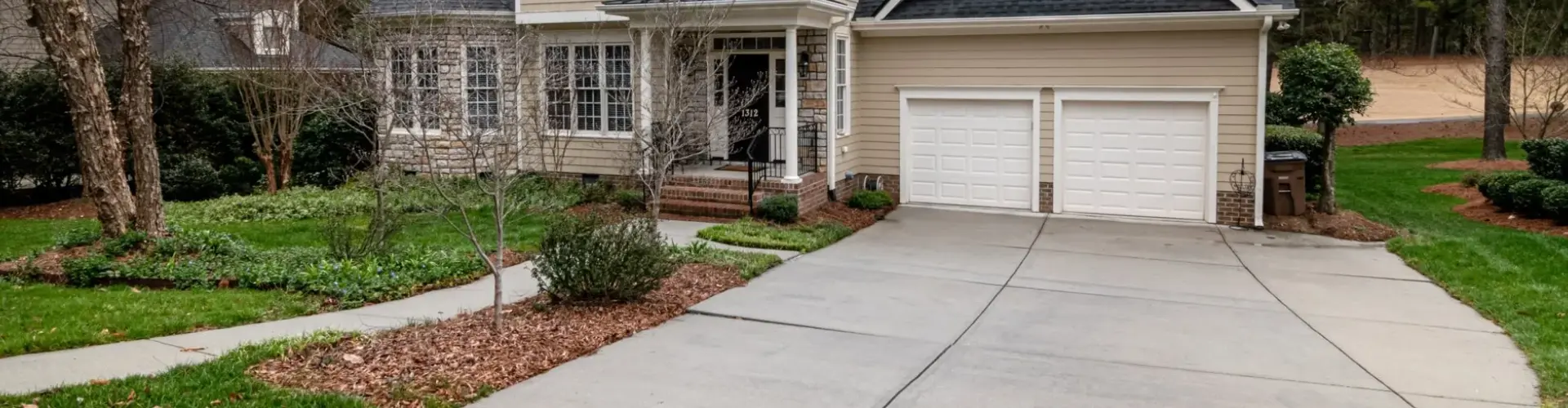
Are Uneven Driveways in Orlando Causing Drainage Problems?
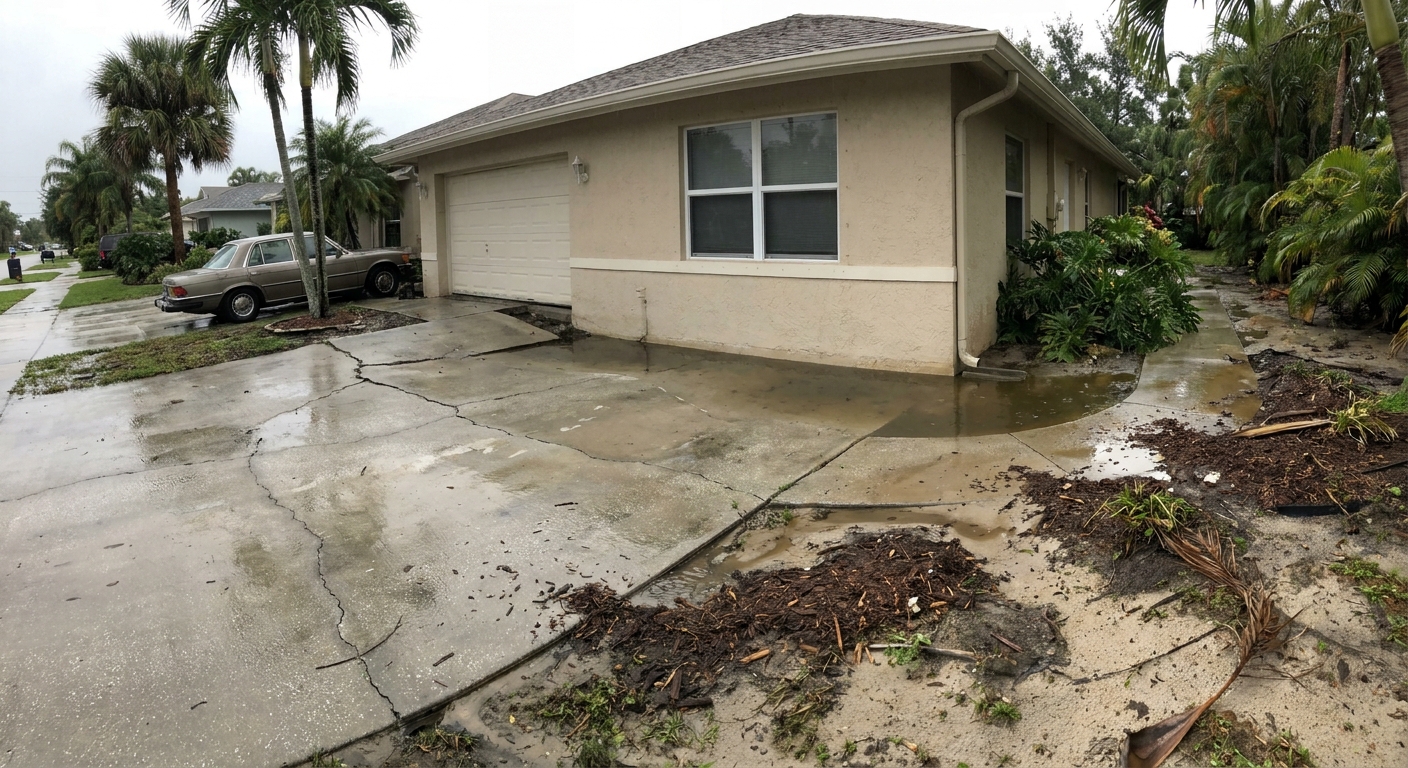
Most Orlando homeowners see a sunken driveway and think it's just cosmetic. A little dip here, a crack there—nothing that can't wait. But the reality is harsher than that. When your driveway loses its grade, water doesn't know where to go. And when water doesn't know where to go, it finds the path of least resistance—usually straight toward your foundation, your landscaping, or into pockets that turn your concrete into a slow-motion disaster zone.
So here's what we know. If your driveway isn't draining the way it should, you're not just looking at surface damage. You're looking at erosion, foundation risk, and a maintenance bill that grows every time it rains. Every slope matters. Every low spot counts. And every drainage decision should be rooted in how water moves across your property—not just how the driveway looks from the curb.
Why Driveways Shift in the First Place
Orlando's not exactly known for stable ground. The soil here is sandy, soft, and prone to movement. Add in the relentless summer storms, seasonal flooding, and the occasional hurricane, and you've got a recipe for settling. Over time, the earth beneath your driveway compacts unevenly. Roots push up from below. Heavy trucks roll over weak spots. And before you know it, that smooth surface you poured five years ago is anything but.
When a driveway settles, it doesn't do it uniformly. You get dips where water collects. You get slopes that reverse direction. And you get a surface that no longer does its job—which is to move water away from your home, not invite it closer.
Water Doesn't Follow the Rules You Ignore
A driveway should pitch away from your house. That's not optional—it's engineering. When the grade flips or flattens out, water stops flowing where it's supposed to. Instead, it pools in depressions or runs backward toward your garage, your foundation, or your front door.
Here's what happens when drainage breaks down:
- Pooling creates pressure: Standing water finds its way into cracks, freezes and thaws with temperature swings, and accelerates deterioration from the inside out.
- Foundation exposure increases: Water that flows toward your home saturates the soil around your foundation, leading to cracks, leaks, and long-term structural risk.
- Erosion undermines stability: Runoff washes away soil around the edges of your driveway, creating voids that lead to more settling and more damage.
- Moisture invites growth: Algae, mold, and mildew thrive in damp conditions, staining your driveway and creeping toward your home's exterior.
The Red Flags Most People Miss
You don't need a civil engineer to spot trouble. You just need to know what to look for. If your driveway is causing drainage problems, the signs are usually sitting right in front of you.
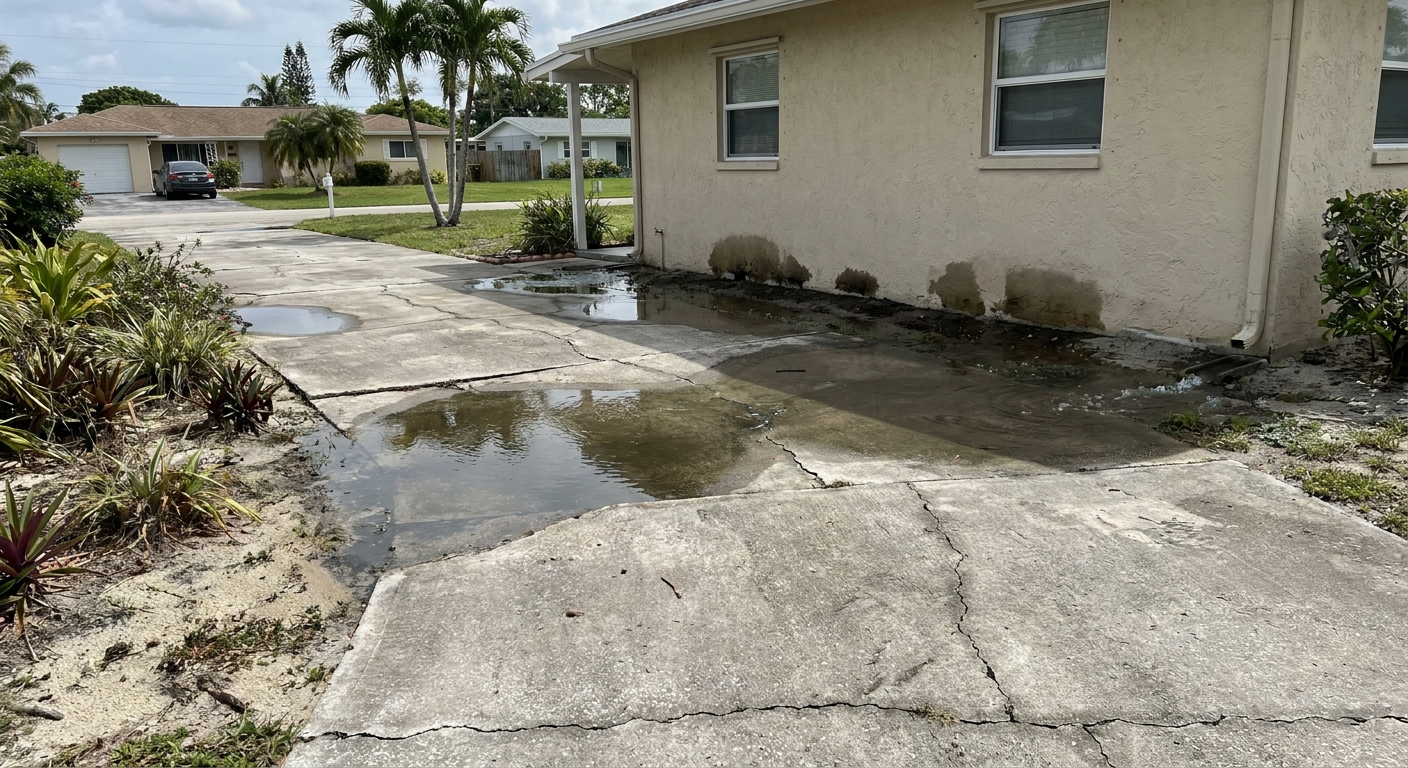
- Puddles that stick around hours after the rain stops
- Damp spots or water stains creeping up your garage walls or foundation
- Visible cracks, sunken sections, or heaving along the surface
- Mulch or soil washing out near the driveway edges
- Green slime, moss, or mildew forming in low spots or along seams
Fixing It Before It Gets Worse
Once you've identified the problem, the next move is action. Waiting doesn't make it better—it just makes it more expensive. The fix depends on how far gone the driveway is, but the sooner you address it, the more options you have.
Start with a professional inspection. Someone who understands grading, drainage, and soil mechanics can tell you whether you're dealing with a simple fix or a full replacement. From there, you've got a few routes:
- Concrete leveling or mudjacking: If the driveway has sunk but the slab is still intact, this process lifts it back to grade by injecting material underneath.
- Resurfacing: If the surface is cracked but the base is solid, a new layer can restore the slope and seal out water.
- Full replacement: When the damage is too severe or the base has failed, tearing it out and starting fresh may be the only real solution.
- Drainage improvements: Installing channel drains, French drains, or regrading the surrounding landscape can redirect water and protect the driveway long-term.
Maintenance Matters More Than You Think
Even a perfectly graded driveway won't stay that way if you ignore it. Cracks in concrete let water in. Debris clogs drainage paths. And small problems compound into big ones faster than most homeowners expect.
We recommend a few simple habits that go a long way:
- Seal cracks as soon as they appear—don't wait for them to widen
- Clear leaves, dirt, and debris from drainage channels and driveway edges
- Inspect the surface after heavy rains to see where water collects
- Re-seal asphalt driveways every few years to keep water from penetrating
- Check for root growth or soil movement near the driveway perimeter
Don't Wait for the Water to Win
Drainage problems don't announce themselves with sirens. They show up as small puddles, hairline cracks, and damp spots you convince yourself aren't a big deal. But in Orlando's climate, water is relentless. It finds every weakness, exploits every flaw, and turns minor settling into major expense if you let it.
We've seen too many homeowners put off driveway repairs until the foundation is compromised or the landscaping is washed out. The fix is always more expensive at that point—and the damage is already done. If your driveway isn't draining the way it should, get it looked at. Get it fixed. And get ahead of the problem before it gets ahead of you. If you're noticing any of these warning signs, consider reaching out for concrete repair services to assess the situation. For homeowners in Central Florida, understanding how to avoid common driveway mistakes can prevent these issues altogether. Professional driveway sealing can also protect your investment and extend its lifespan.
Let’s Solve Your Driveway Drainage Issues Together
We know how frustrating it is to deal with standing water and shifting concrete. Let’s make sure your Orlando home is protected from the next downpour. If you’re ready to put drainage problems behind you, give us a call at 407-310-5072 or request a quote and let’s get your driveway back on track.
‹ Back
Recent Posts
-
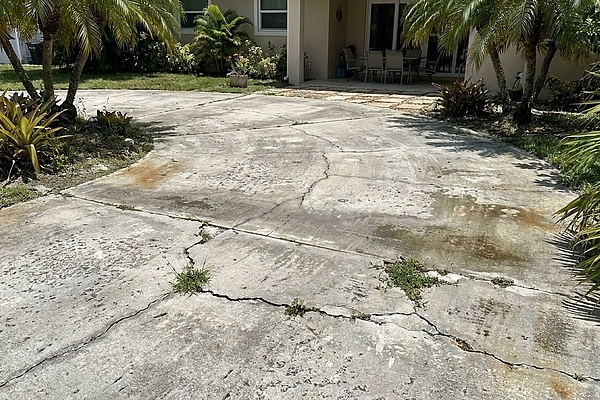
What Causes Concrete Patios in Orlando to Wear Out Faster?
September 30, 2026
-
When Should You Repair Your Pool Deck in Orlando Instead of Replacing It?
September 16, 2026
-
Can Concrete Resurfacing in Orlando Save You From Full Replacement?
September 2, 2026
-
How Often Should You Seal Your Concrete Driveway in Orlando?
August 19, 2026
-
Is Your Orlando Sidewalk Starting to Sink or Shift?
August 5, 2026