Do Cracked Driveways in Orlando Get Worse During Summer Heat?
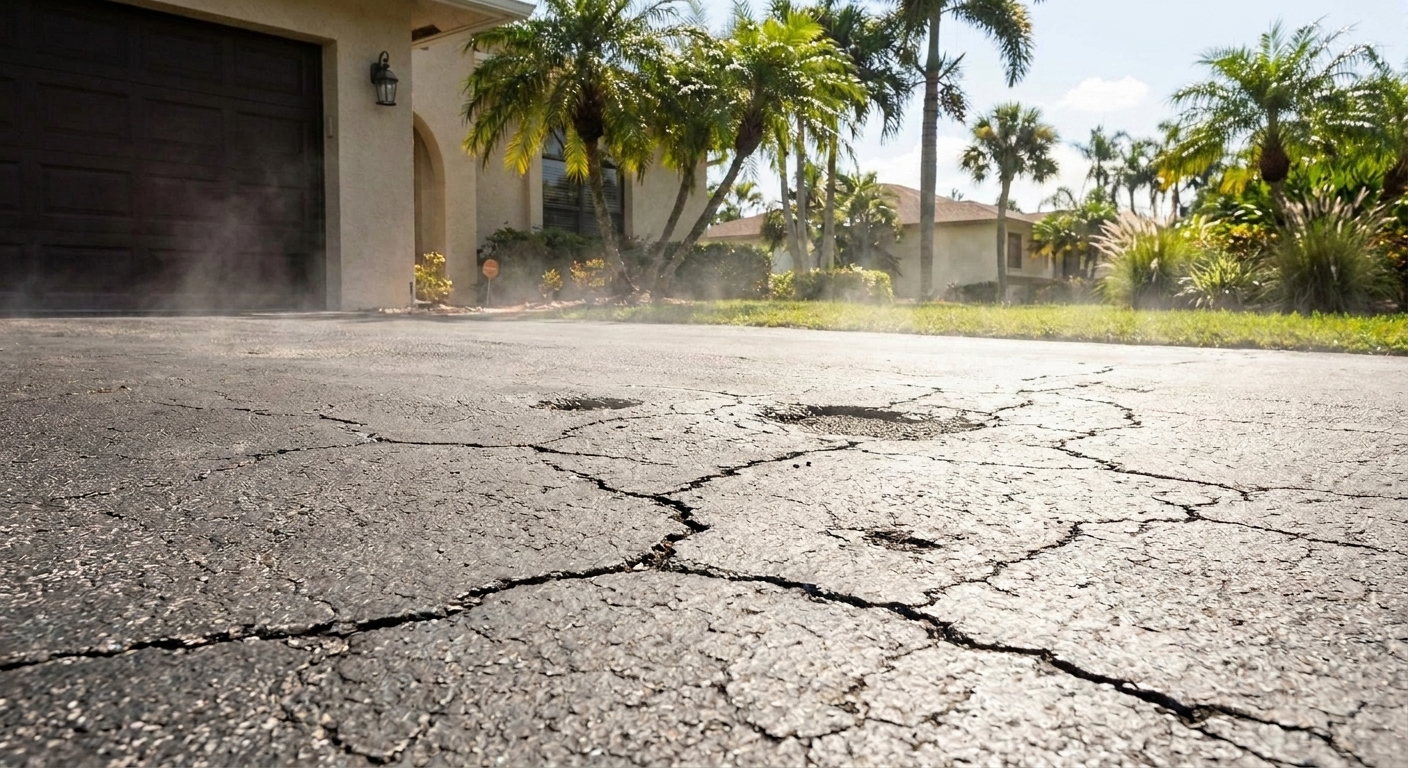
Most Orlando homeowners see cracks in their driveway and shrug it off as cosmetic. A minor eyesore. Something they'll deal with later. But the sun doesn't wait. And when summer hits Central Florida — when those 95-degree days stretch into weeks and the asphalt radiates heat like a stovetop — those hairline fissures turn into full-blown structural problems. Fast.
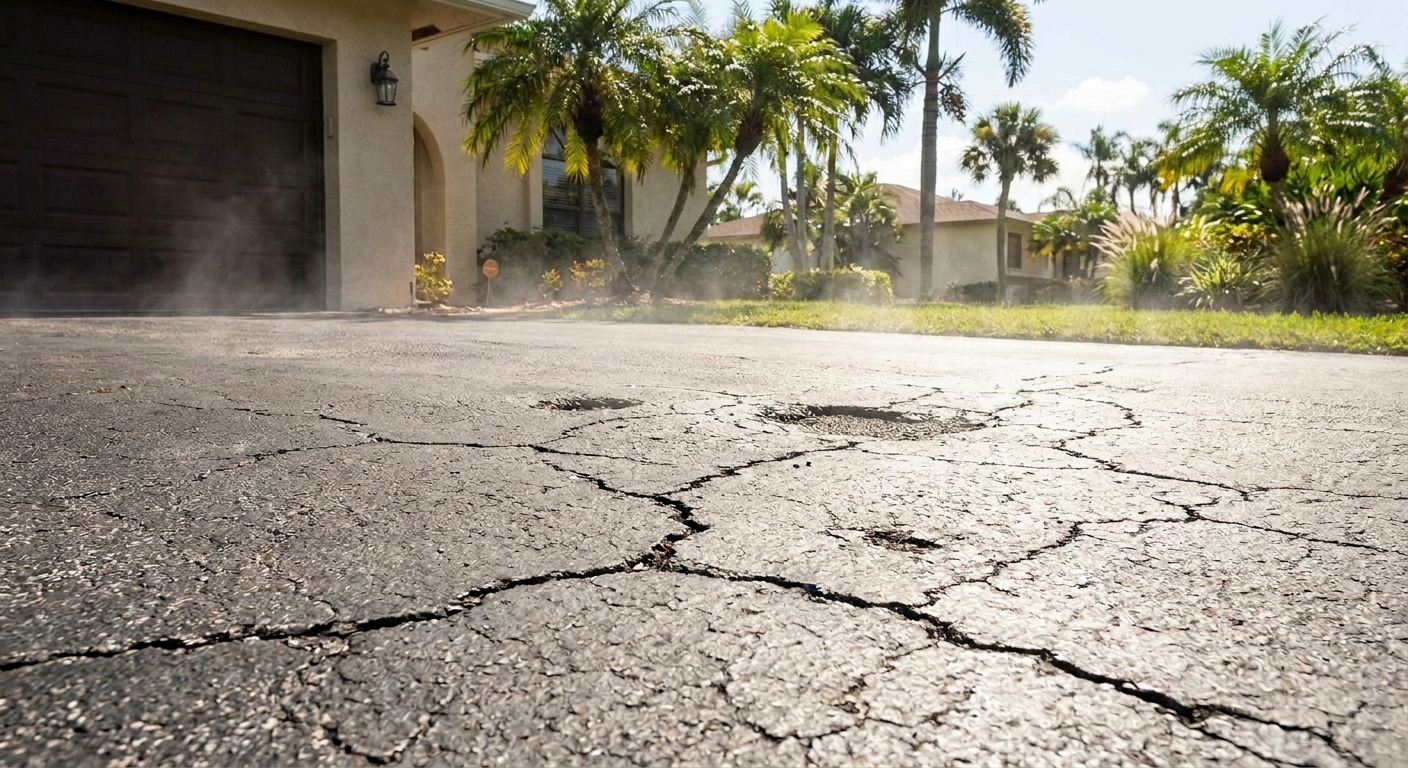
So here's what we know. Heat doesn't just sit on your driveway. It moves through it, stresses it, and breaks it down from the inside out. If you've got cracks now, they're not staying the same size. They're spreading. And if you ignore them through summer, you're not saving money. You're just delaying a bigger bill.
Thermal Expansion Does Most of the Damage
Concrete and asphalt both expand when temperatures climb. During peak afternoon heat, your driveway swells. When the sun drops and the night cools things down, it contracts. This daily cycle — expand, contract, expand, contract — puts relentless pressure on every weak spot in the material. Cracks that were barely visible in March can be half an inch wide by August.
Most people don't realize how much movement is happening beneath the surface. The base layer shifts. The edges buckle. And every time that material flexes, the integrity weakens a little more. Summer doesn't pause for repairs. It just keeps pushing until something gives.
Water Gets In and Never Really Leaves
Orlando summers aren't just hot — they're wet. Afternoon storms dump water all over your driveway, and gravity does the rest. Any crack, no matter how small, becomes a funnel. Water seeps down into the base, settles, and waits. When the sun comes back out, that moisture doesn't evaporate cleanly. It moves, shifts the substrate, and creates voids underneath the surface.
Over time, this leads to more than just wider cracks. It causes sinking, uneven sections, and eventually potholes. The water doesn't announce itself. It just quietly destabilizes everything until the damage is too big to ignore.
UV Rays Break Down the Surface Layer
Sunlight isn't neutral. Prolonged UV exposure dries out the oils in asphalt and weakens the binding agents in concrete. The surface becomes brittle. It loses flexibility. And once that happens, even minor stress — a heavy truck, a sharp turn — can crack it wide open.
We see this play out every summer. Driveways that looked fine in spring start showing spider-web patterns by July. That's not bad luck. That's UV degradation doing exactly what it does when materials sit unprotected under Florida sun for months on end.
Why Waiting Until Fall Is a Mistake
Plenty of homeowners tell themselves they'll handle driveway repairs once the heat breaks. That sounds reasonable until you realize what's happening between now and then. Every day of delay allows:
- Cracks to widen as thermal stress continues
- Water infiltration to erode the base layer further
- UV exposure to weaken surface integrity
- Debris and dirt to pack into cracks, making repairs harder
- Root growth to exploit openings and create new damage
By the time fall arrives, what could have been a simple crack-fill job might require resurfacing or even replacement. The damage doesn't pause just because you're not ready to deal with it.
What Actually Stops the Spread
You can't control the weather. But you can control how your driveway responds to it. Sealing your driveway before summer hits creates a protective barrier that blocks water and UV rays. Crack filling stops moisture from reaching the base. And regular cleaning prevents debris from wedging into weak spots and prying them wider.
Here's what makes a difference:
- High-quality sealant applied every two to three years
- Crack repair done as soon as damage appears
- Proper drainage to keep water moving off the surface
- Routine inspections to catch small problems before they escalate
- Professional assessment if you're seeing widespread cracking or sinking
Small Cracks Aren't Always Small Problems
A quarter-inch crack might not look like much. But underneath, the base could be compromised. Water could be pooling. The surrounding material could be weakening. Surface appearance doesn't tell the full story, and that's where homeowners get burned.
We've seen driveways that looked salvageable from the street but had significant erosion once we pulled up the damaged section. If cracks are multiplying, if sections feel uneven underfoot, or if water isn't draining like it used to, the damage has already moved past cosmetic.
DIY Fixes Have Limits
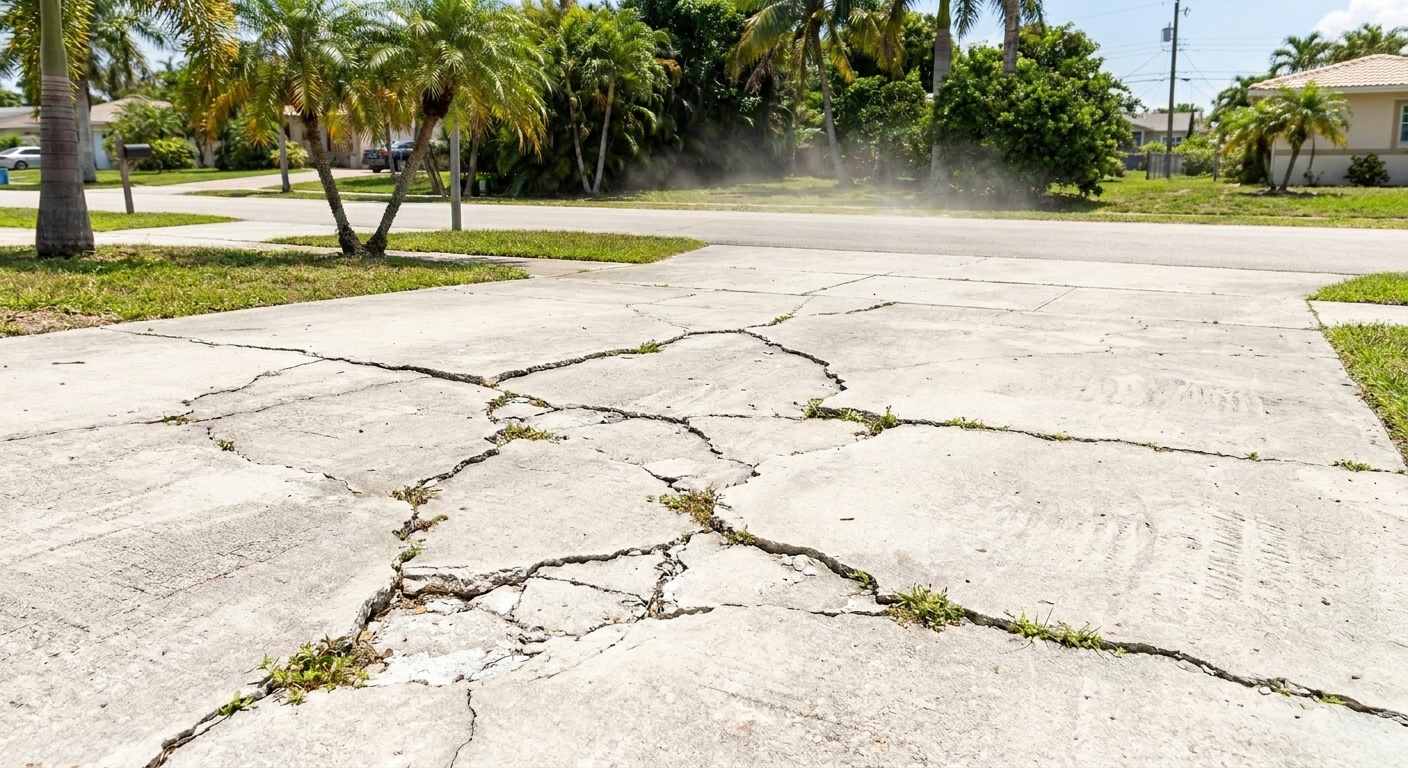
Crack filler from the hardware store works for minor surface cracks in stable driveways. It doesn't work when the base is shot. It doesn't work when water has already compromised the substrate. And it definitely doesn't work when the real issue is improper drainage or shifting soil.
Homeowners who try to patch over deeper problems usually end up doing it twice. Once with the DIY attempt. Then again when they bring in a contractor to fix what the first repair couldn't reach. Save yourself the double expense and know when the job needs a professional from the start.
Timing Matters More Than You Think
If you're going to seal or repair your driveway, do it before peak summer heat. Materials cure better. Application conditions are more forgiving. And you get ahead of the worst damage instead of chasing it all season long.
Here's when to act:
- Late spring, before daily temps hit the 90s consistently
- Early morning or late afternoon to avoid direct sun during application
- When rain isn't forecasted for at least 24 to 48 hours
- Before any major events or heavy vehicle traffic
- As soon as you notice new cracks forming or old ones widening
What Happens If You Wait Too Long
Ignoring cracks doesn't make them go away. It just makes them more expensive. Resurfacing costs more than sealing. Replacement costs more than resurfacing. And once the base layer fails, there's no patching your way out of it.
The homeowners who save money are the ones who catch damage early and fix it right. The ones who wait until the driveway looks like a jigsaw puzzle are the ones writing five-figure checks. Summer heat accelerates that timeline. Plan accordingly.
Professional Help Pays Off
A driveway contractor can assess damage you can't see. They know whether a crack is surface-level or structural. They understand how Central Florida soil behaves under heat and moisture. And they can recommend solutions that actually last, not just quick fixes that fail by next summer.
What professionals bring to the table:
- Accurate diagnosis of base and drainage issues
- Access to commercial-grade materials that outperform retail products
- Proper surface prep that ensures repairs bond correctly
- Knowledge of local conditions and how to build for them
- Warranty-backed work that protects your investment
Your Driveway Won't Fix Itself
Orlando's summer heat is predictable. It shows up every year. It stresses driveways the same way every time. And if yours already has cracks, those cracks are getting worse right now. Not later. Not eventually. Now.
The smart move is simple. Address damage before summer peaks. Seal what's stable. Repair what's cracked. Replace what's failed. And stop pretending that ignoring the problem will make it cheaper. It won't. Heat doesn't negotiate, and neither does physics.
Let's Protect Your Driveway Together
We know how quickly Orlando’s summer heat can turn a small crack into a major headache. Let’s get ahead of the damage and keep your driveway looking its best all season long. If you’re ready for expert advice or want a professional assessment, give us a call at 407-310-5072. When you’re ready to take the next step, request a quote and let’s make sure your driveway is ready for whatever the Florida sun throws at it.
‹ Back
Recent Posts
-
What Causes Concrete Patios in Orlando to Wear Out Faster?
September 30, 2026
-
When Should You Repair Your Pool Deck in Orlando Instead of Replacing It?
September 16, 2026
-
Can Concrete Resurfacing in Orlando Save You From Full Replacement?
September 2, 2026
-
How Often Should You Seal Your Concrete Driveway in Orlando?
August 19, 2026
-
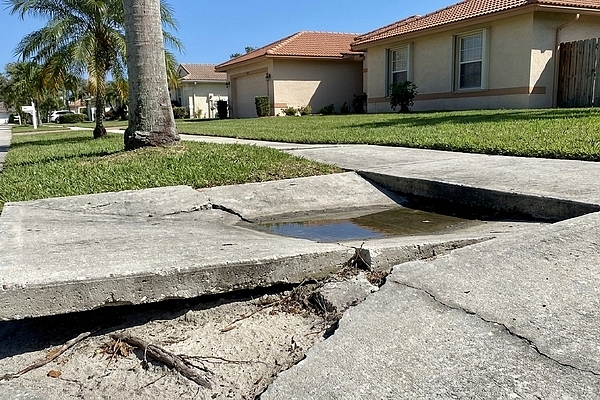
Is Your Orlando Sidewalk Starting to Sink or Shift?
August 5, 2026