Is Your Concrete in Orlando Losing Its Protective Seal?
Most property owners think concrete is bulletproof. Pour it, let it cure, forget about it. But Orlando's climate doesn't care what you think. Between the relentless sun, afternoon downpours, and humidity that never quits, your concrete is under constant assault. And if that protective seal has worn off, you're not just looking at cosmetic issues — you're staring down structural damage that compounds fast.
So here's what matters. Sealed concrete isn't a luxury. It's the difference between a surface that holds up for decades and one that starts crumbling within a few years. Every crack, every stain, every patch of discoloration is a signal. And if you're not paying attention, you'll pay for it later — in repairs, replacements, or both.
The Barrier Between Concrete and Chaos
Sealant does more than make your driveway look polished. It's a shield. Moisture, chemicals, UV rays, oil spills — all of it gets blocked when the seal is intact. In Central Florida, where weather swings from scorching to soaking in the span of an hour, that barrier is what keeps your concrete from turning into a maintenance nightmare.
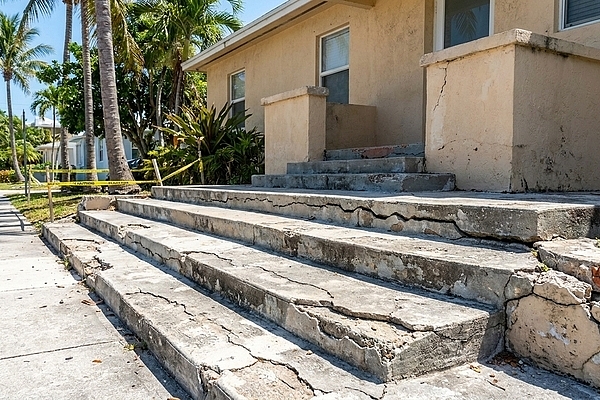
Without it, water seeps in. Mold takes hold. Stains become permanent. And when the rare cold snap hits, trapped moisture expands and cracks the surface from the inside out. We've seen driveways that looked fine one season and needed total replacement the next. That's what happens when the seal fails and nobody notices until it's too late.
What a Failing Seal Looks Like
You don't need a lab test to know when your concrete is losing protection. The signs are right there if you're willing to look. Most people ignore them until the damage is obvious — and expensive.
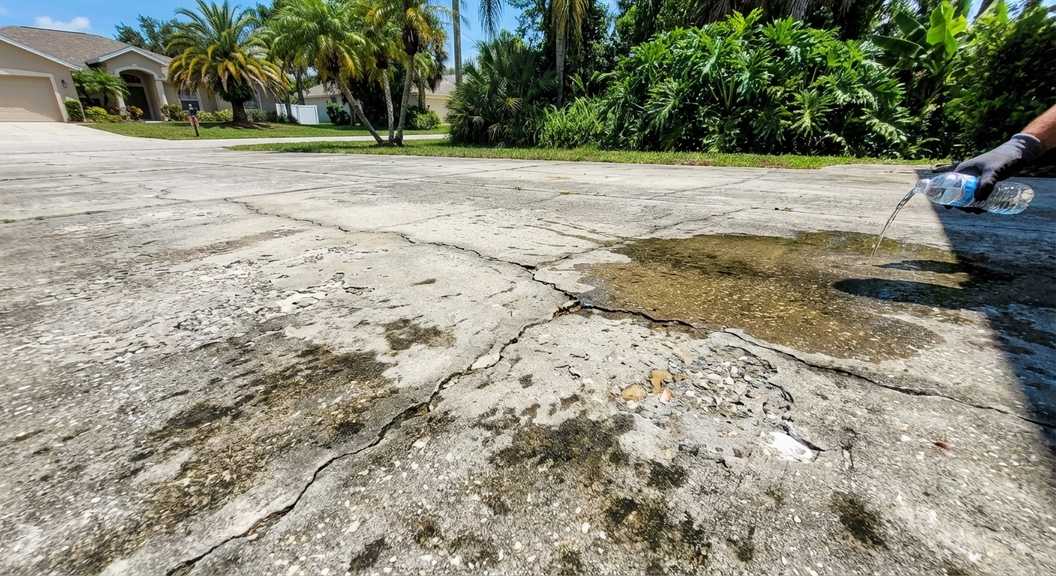
- Water soaks in instead of beading up on the surface
- The color looks washed out or chalky, like the life's been drained from it
- Stains from oil, rust, or leaves won't come out no matter how hard you scrub
- Cracks and chips start appearing where the surface used to be smooth
- White, crusty deposits show up, signaling moisture is moving through the concrete
Orlando Weather Accelerates the Breakdown
Sealants don't last forever, and in this climate, they don't even last as long as the label promises. UV exposure breaks down the chemical bonds. Rain washes away what's left. Pool decks get hit with chlorine and constant water exposure. Driveways take the brunt of tire friction and oil drips.
High-traffic zones wear out faster. Surfaces in full sun degrade quicker. And if you're near the coast, salt in the air speeds up the whole process. We're not talking about a slow decline — this is active deterioration, and it doesn't wait for you to get around to maintenance.
How Often Resealing Actually Needs to Happen
The standard advice is every two to three years. That's a baseline, not a guarantee. If your concrete sees heavy use or constant exposure, you're looking at more frequent applications. Pool decks might need attention annually. Driveways in shaded areas might stretch to four years. It depends on the product, the surface, and how much punishment it takes.
Don't rely on guesswork. Check the surface regularly. Run the water test. Look for fading. If you're not sure, bring in someone who knows what to look for. Waiting too long doesn't save money — it just shifts the cost from maintenance to repair.
Steps to Take When the Seal Is Gone
Once you've confirmed the sealant has worn off, the clock is ticking. The longer you wait, the more damage accumulates. Here's what needs to happen before you can reseal.
- Pressure wash the entire surface to remove dirt, grime, and loose material
- Let it dry completely — moisture trapped under new sealant will cause problems
- Inspect for cracks, spalling, or other damage that needs repair first
- Choose a sealant rated for Florida's climate and your specific use case
- Apply evenly, following the manufacturer's instructions to the letter
- Allow full curing time before putting the surface back into service
When DIY Becomes a Gamble
Some homeowners handle resealing themselves. That's fine if you know what you're doing and have the right equipment. But most don't. They skip the prep work, use the wrong product, or apply it unevenly. The result is a seal that fails faster than the original.
Professionals bring commercial-grade materials and the experience to spot underlying issues before they become disasters. They know which products hold up in Orlando's heat and which ones break down in six months. And they don't leave gaps or streaks that compromise the entire job. If you're not confident in your ability to do it right the first time, don't risk it.
The Cost of Ignoring the Problem
Resealing costs a fraction of what you'll spend on repairs. Replacing a cracked, stained, or spalling driveway? That's thousands of dollars and days of disruption. Fixing a pool deck that's deteriorated past the point of no return? Even worse.
We've worked with property owners who thought they were saving money by putting off maintenance. They weren't. They were just deferring the bill — and adding interest in the form of compounding damage. Every month you wait, the problem gets worse. Every rainstorm, every oil drip, every UV-soaked afternoon accelerates the decline.
What Happens When You Stay Ahead of It
Regular resealing isn't glamorous. It's not the kind of project that gets attention or compliments. But it's the difference between concrete that lasts and concrete that becomes a liability. Surfaces that get consistent care look better, perform better, and hold their value longer.
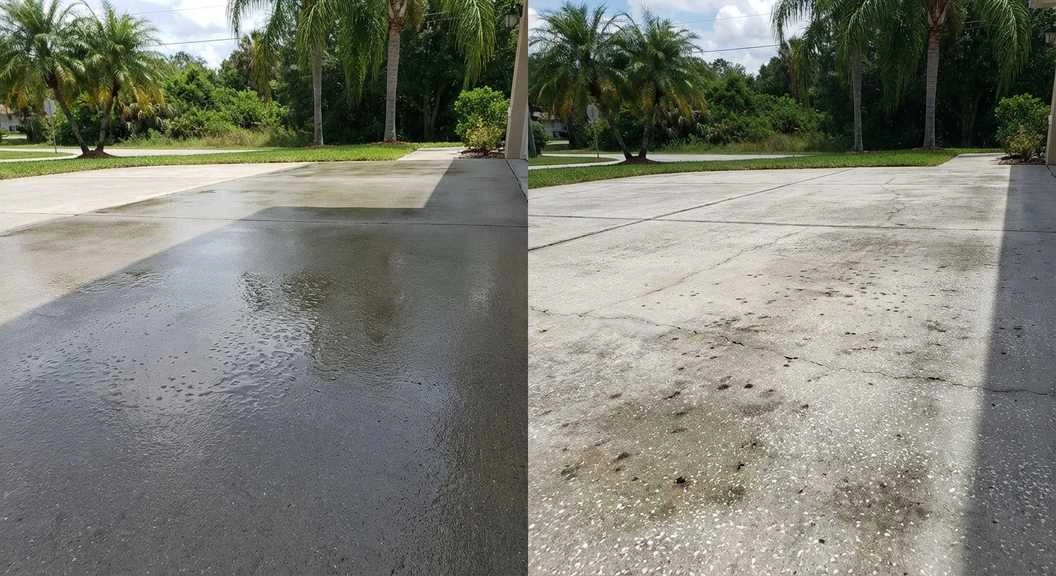
- Stains wipe off instead of soaking in
- Cracks don't form because moisture never penetrates
- The color stays vibrant instead of fading to gray
- Cleaning takes minutes instead of hours
- Resale value stays intact because the property looks maintained
Documentation Backs Up Your Investment
If you're resealing yourself or hiring a contractor, keep records. Receipts, photos, product labels, application dates — all of it matters. If you ever need to file an insurance claim or prove maintenance history, that documentation is your defense.
It also helps you track when the next resealing is due. Most people forget. They assume the surface is fine until it's obviously not. A simple log prevents that. Mark the calendar, set a reminder, and inspect the surface every six months. That's all it takes to stay ahead of the curve.
Professionals Know What You're Up Against
Hiring someone who understands Orlando's climate and concrete challenges isn't overkill. It's smart. They know which sealants hold up to pool chemicals. They know how to prep surfaces that have been neglected. And they know when a crack is cosmetic versus when it's a sign of deeper structural issues.
- They identify problems you'd miss on your own
- They use products designed for high-humidity, high-UV environments
- They apply sealant evenly, without streaks or thin spots
- They handle repairs before resealing, so the job lasts
- They save you time, hassle, and the risk of doing it wrong
Concrete That Lasts Requires Attention
Your concrete isn't going to maintain itself. The seal will wear off. The surface will degrade. And if you're not proactive, you'll end up replacing what could have been preserved. Orlando's climate doesn't give you the luxury of neglect. But it also doesn't require heroic effort — just consistent, informed maintenance.
We've seen too many driveways, patios, and pool decks that could have been saved with a simple resealing. And we've seen the bills that come when people wait too long. The choice is yours. Pay a little now, or pay a lot later. Either way, the concrete will tell you what it needs. The question is whether you're listening.
Let’s Protect Your Concrete for the Long Haul
We know how quickly Orlando’s weather can take a toll on your concrete, but you don’t have to face it alone. Let’s make sure your surfaces stay strong, clean, and looking their best for years to come. If you’re ready to get ahead of the damage, call us at 407-310-5072 or request a quote and let’s get your concrete the protection it deserves.
‹ Back
Recent Posts
-
When Should You Repair Your Pool Deck in Orlando Instead of Replacing It?
September 16, 2026
-
Can Concrete Resurfacing in Orlando Save You From Full Replacement?
September 2, 2026
-
How Often Should You Seal Your Concrete Driveway in Orlando?
August 19, 2026
-
Is Your Orlando Sidewalk Starting to Sink or Shift?
August 5, 2026
-