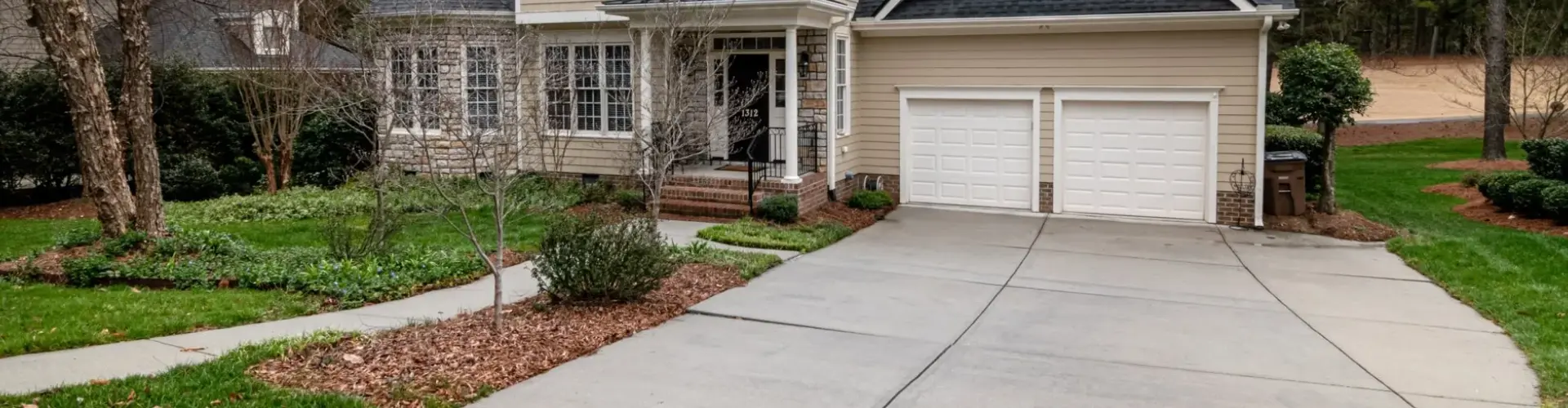
Are Your Concrete Steps in Orlando Becoming a Safety Concern?
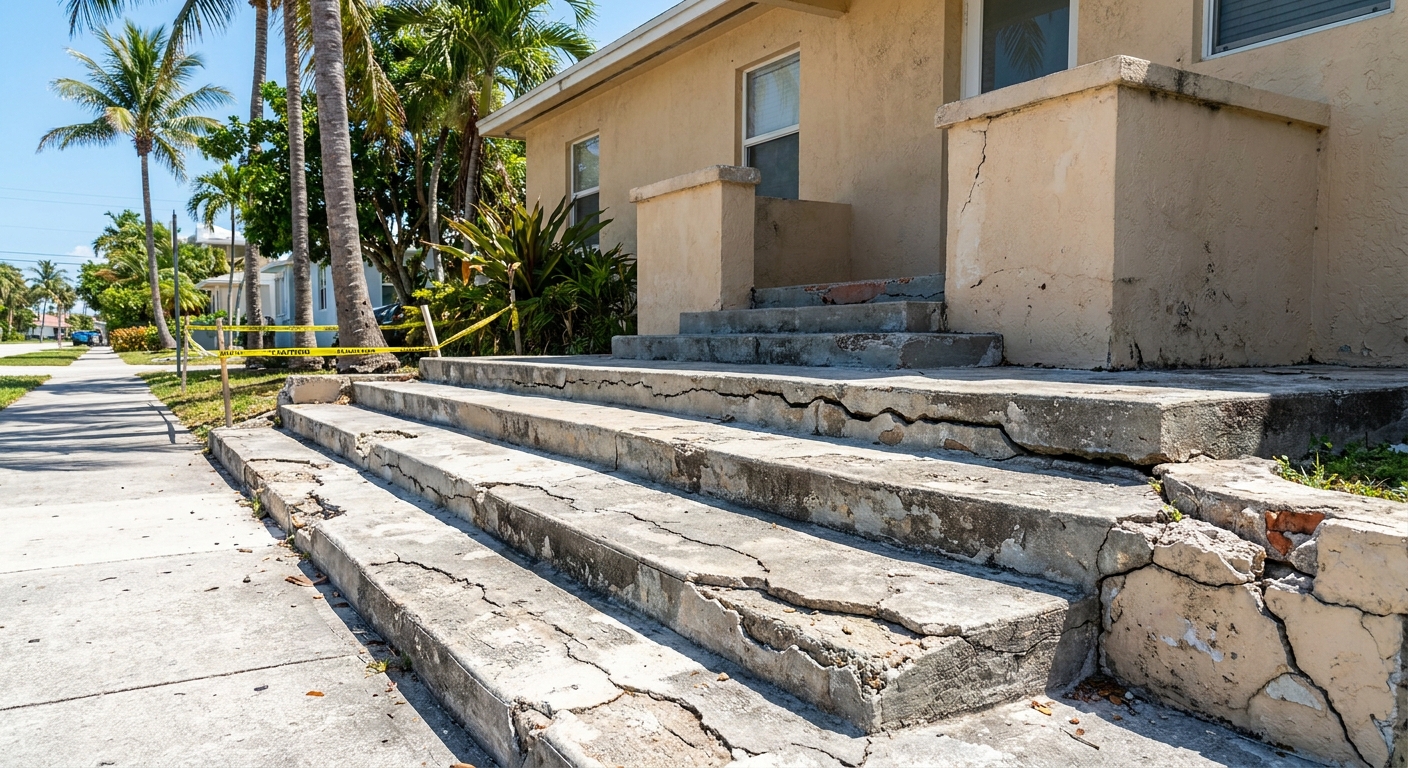
Most property owners don't think twice about concrete steps. They're solid. They're permanent. Until they're not. The humid air, relentless rainfall, and seasonal storms that define Orlando don't just threaten your roof and windows — they quietly dismantle the very surfaces people walk on every single day. And if you're not watching for warning signs, you're setting up someone for a fall. Maybe yourself. Maybe a customer. Maybe your kid running out the front door.
Deterioration doesn't announce itself with sirens. It starts small — a hairline fracture here, a rough patch there — and then spreads like bad news. By the time you notice, the damage has already locked in. So the question isn't whether your steps will age. It's whether you're catching the breakdown before somebody gets hurt or before your property value takes a hit at closing time.
What Failing Steps Actually Look Like
Spotting trouble early is the only real defense. Concrete doesn't collapse overnight, but it does show symptoms long before it becomes dangerous. We're talking about visible clues that most people walk past every day without a second glance.
Here's what demands your attention:
- Surface fractures and edge damage: What starts as a thin split quickly deepens with every rainstorm. Edge chips turn into tripping zones faster than you think.
- Slope and tilt issues: Steps that lean or sit crooked aren't just cosmetic problems. They're balance killers, especially in low light or bad weather.
- Movement underfoot: Any step that shifts when you put weight on it is a red flag that can't be ignored. That's structural failure in real time.
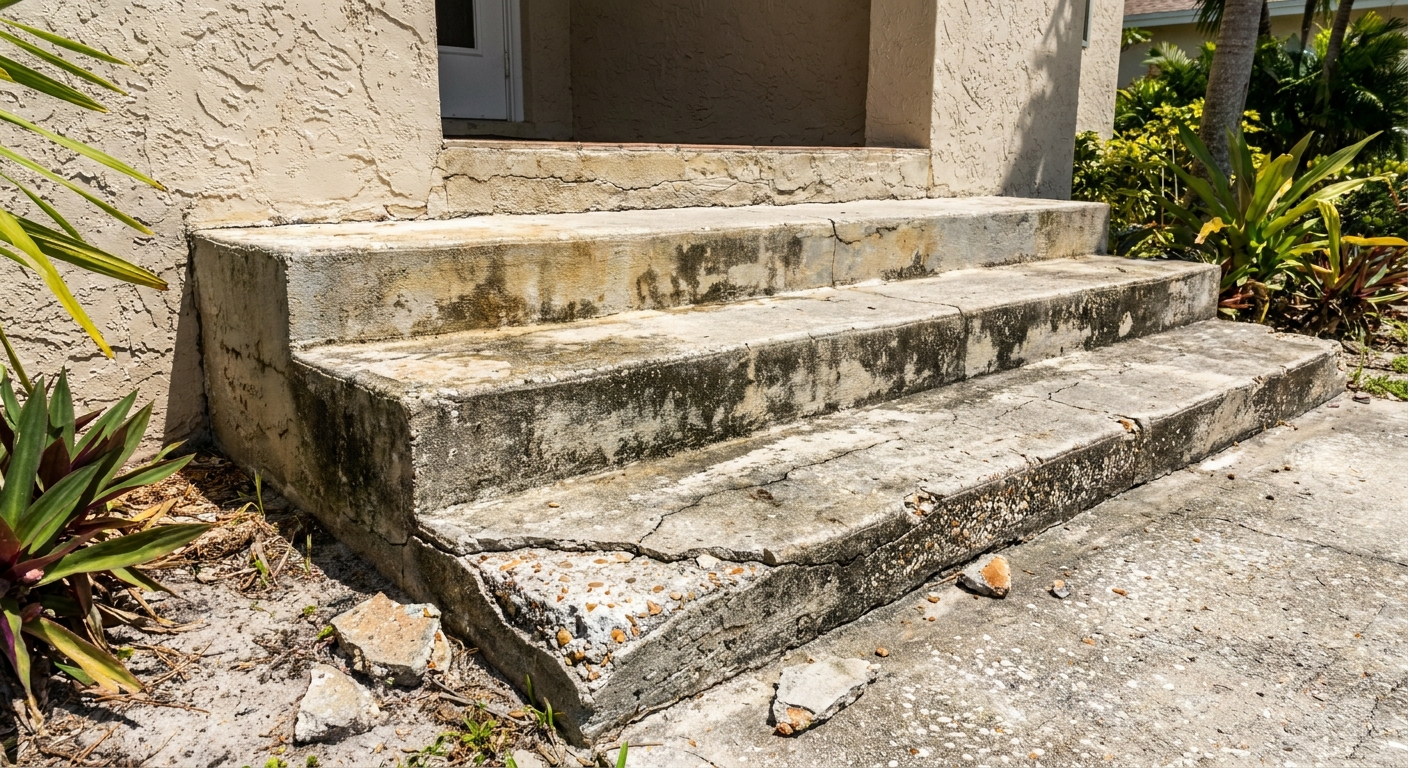
- Flaking and peeling layers: When the top surface starts breaking off in chunks, moisture has already infiltrated deeper than you can see.
- Stains and discoloration: Dark patches often mean water intrusion or biological growth — both of which weaken concrete from the inside out.
The Real Cost of Ignoring the Problem
Broken steps aren't just ugly. They're liability magnets. One slip sends someone to the ER — or worse, straight to a lawyer's office. For businesses, that's a lawsuit waiting to happen. For homeowners, it's a judgment call that could wipe out your safety net and your peace of mind.
And even if nobody falls, the financial hit still lands. Buyers walk away from homes with obvious hazards. Inspectors flag every crack and uneven surface. What could've been a five-hundred-dollar repair becomes a five-figure negotiation problem at the worst possible time. Taking care of this now isn't paranoia — it's damage control that actually pays off.
Why Orlando Weather Wrecks Concrete Faster
This isn't just wear and tear. It's environmental assault. Orlando's humidity keeps moisture locked inside concrete long after the rain stops. That trapped water expands when temperatures drop, then contracts when they rise again. Over months and years, that cycle creates microfractures that spread like fault lines.
Add in the summer sun baking surfaces at extreme temps, and you get expansion stress that compounds the cracking. Poor drainage makes it worse — standing water speeds up every stage of decay. And if tree roots are nearby, they'll push upward with relentless force until your steps buckle or separate entirely. The climate here doesn't forgive sloppy construction or deferred maintenance.
How to Fix What's Breaking Down
Once you know there's a problem, waiting only makes it worse. The good news is that not every issue requires demolition and replacement. Plenty of damage can be arrested with the right approach and a little urgency.
Here's your action plan:
- Routine visual checks: Walk your property after storms and monthly during dry stretches. Look for changes in texture, color, or alignment.
- Patch work for minor cracks: Small splits can be filled with quality patching compound before they widen. Catch them early and save thousands later.
- Resurfacing worn layers: If the top coat is flaking but the base remains sound, resurfacing restores both safety and curb appeal without tearing everything out.
- Moisture barriers: A proper sealant blocks water penetration and extends the life of your steps by years. It's cheap insurance.
- Professional evaluation: When damage looks extensive or you're unsure where to start, bring in a local contractor who knows Orlando conditions inside and out.
When DIY Stops Being Smart
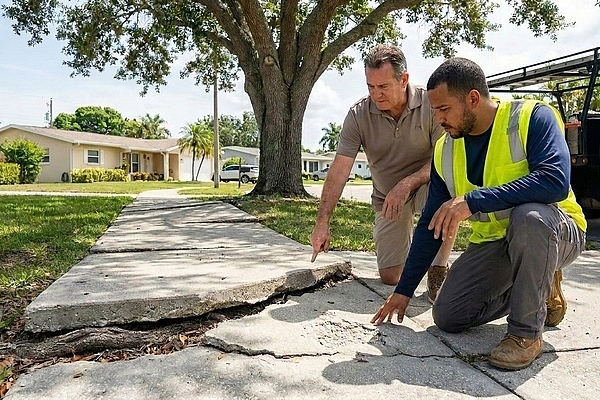
There's a line between handling maintenance yourself and getting in over your head. Minor surface issues? Sure, grab a patching kit and handle it. But once you're dealing with structural shifts, deep cracks, or steps that move, you're past the point where YouTube tutorials and a weekend can solve the problem.
A qualified contractor can diagnose what's happening below the surface — soil settlement, root intrusion, drainage failure — and fix the root cause instead of just slapping a Band-Aid on visible damage. That difference keeps repairs from turning into recurring headaches. It also keeps your steps compliant with local codes, which matters more than most people realize when permits and inspections come into play.
Prevention Beats Emergency Repairs Every Time
Nobody wants to spend money fixing something that isn't visibly broken yet. But concrete maintenance works best when it's proactive, not reactive. Once a step collapses or someone gets injured, your options narrow and your costs multiply.
Smart property owners build inspection routines into their upkeep schedule:
- Seasonal walkthroughs: Check after hurricane season and again before summer storms hit.
- Immediate response to new cracks: Don't wait to see if they spread. Seal them fast.
- Drainage improvements: Redirect water away from step bases to prevent undermining.
- Sealant reapplication: Most sealants need refreshing every few years to stay effective.
- Professional tune-ups: An annual review by a concrete pro catches issues before they become emergencies.
What Happens When You Wait Too Long
Delayed action doesn't just cost more money. It shrinks your options. A crack that could've been patched for pocket change becomes a structural problem requiring excavation, replacement, and permits. Steps that wobble eventually give way entirely, creating an immediate hazard that shuts down access until it's fixed.
And if someone does fall before you address the issue? You're looking at medical bills, potential legal action, and the emotional weight of knowing it was preventable. That's not scare tactics — it's basic math. The longer you ignore deterioration, the steeper the consequences get. By the time most people call for help, they're already past the point where simple fixes work.
Your Move Determines What Happens Next
Concrete steps don't fix themselves. They don't stabilize on their own or stop cracking just because you've decided to think about it later. Every rain, every hot day, every footfall pushes the damage further along. The only variable you control is how fast you respond once you spot the problem.
If your steps show any of the warning signs we've covered — cracks, unevenness, surface breakdown, movement — don't treat it like a cosmetic nuisance. Treat it like the safety and financial risk it actually is. Get eyes on it. Get it fixed. And get it done before the decision gets made for you by an accident you could've prevented.
Let’s Make Your Steps Safe Again
We know how important it is to keep your property safe and looking its best. If your concrete steps are showing signs of wear, let’s tackle the problem together before it turns into a bigger headache. Give us a call at 407-310-5072 to talk through your concerns, or request a quote and we’ll help you restore peace of mind and curb appeal in no time.
‹ Back
Recent Posts
-
Should You Repair or Replace a Concrete Sidewalk in Orlando?
October 14, 2026
-
What Causes Concrete Patios in Orlando to Wear Out Faster?
September 30, 2026
-
When Should You Repair Your Pool Deck in Orlando Instead of Replacing It?
September 16, 2026
-
Can Concrete Resurfacing in Orlando Save You From Full Replacement?
September 2, 2026
-
How Often Should You Seal Your Concrete Driveway in Orlando?
August 19, 2026