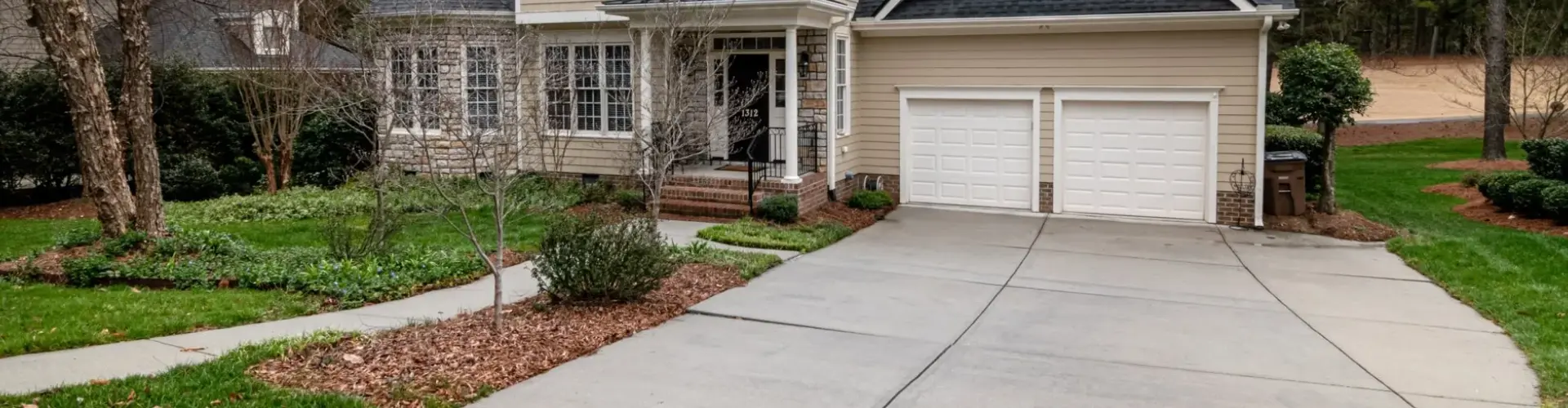
How Often Should You Seal Your Concrete Driveway in Orlando?
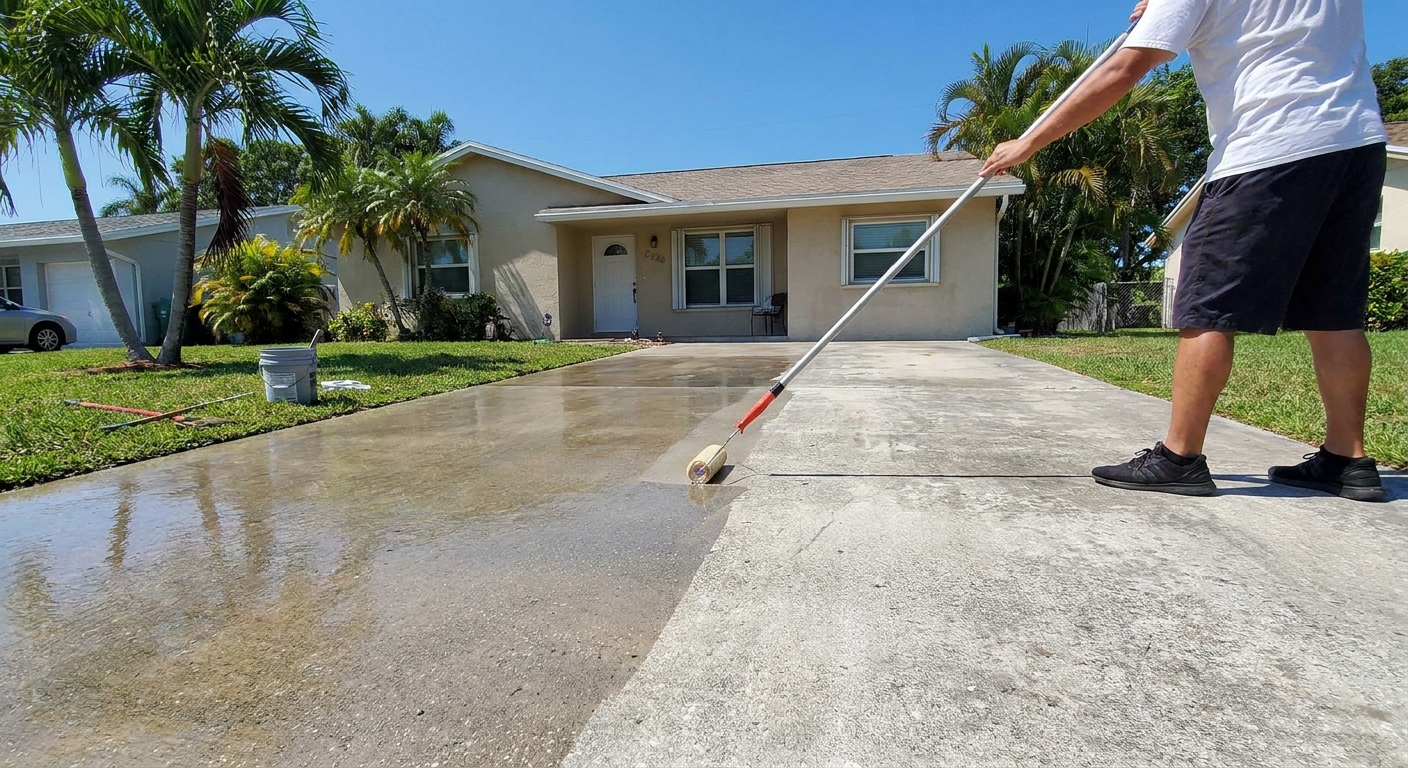
Most homeowners think sealing is just about making concrete look nice. A little shine, some protection, done. But Orlando's climate doesn't play that game. The sun beats down harder here. Rain comes in waves, not sprinkles. And your driveway? It's taking hits you don't see until cracks show up or the surface starts looking like a patchwork quilt.
So here's the reality. If you're maintaining a concrete driveway in Central Florida, you're not just fighting wear and tear — you're up against heat, humidity, and storms that don't quit. Every season should have a paper trail of care. Every resealing decision needs to be grounded in how the surface has held up — not just how long it's been since the last coat.
Weather Doesn't Wait for You to Notice
Nine times out of ten, homeowners wait too long. You drive over it every day, you assume it's fine — that's normal, not smart. The sun's UV rays break down sealers faster in Orlando than almost anywhere else. Add in afternoon downpours and moisture creeping into pores, and you've got a surface that's degrading whether you see it or not.
But here's where timing matters. If the sealer's gone and water starts soaking in instead of beading up, you're already behind. We see this play out every summer. Plenty of driveways looked solid in spring — they weren't. And when cracks start spreading, the repair bill jumps fast unless you catch it early.
The Protection You Should Be Counting On
You can't undo damage after it sets in — that's just playing catch-up with a crumbling surface. But a fresh seal? That's often your strongest defense. The right sealer acts as a barrier against everything Florida throws at concrete.
Here's where that protection counts most:
- UV exposure gets blocked before it dries out and weakens the surface
- Rain and humidity stay on top instead of seeping into pores and causing internal damage
- Oil and fluid stains from vehicles don't penetrate as easily
- Surface discoloration slows down, keeping the driveway looking cleaner longer
- Cracking and spalling get delayed when moisture can't freeze and expand inside tiny fissures
When the Standard Timeline Breaks Down
Want to stick to a rigid schedule? You'll need to prove the conditions actually support it. The typical two-to-three-year window works for some driveways — not all of them.
Orlando throws curveballs that change the math. If your driveway sits under full sun all day, the sealer burns off faster. If it's shaded by trees that drop sap and debris, you've got different problems. Heavy truck traffic? That grinds down protection quicker than a sedan ever could. And if the last application was rushed or the surface wasn't prepped right, the clock starts ticking early.
There's a Cap on How Long Sealers Last
If your driveway's been sealed with an acrylic product, there's a ceiling on durability. Most acrylic sealers give you one to three years before they start thinning out. Penetrating sealers can stretch closer to five, but only if conditions cooperate.
You'll need to test the surface and check how water behaves to know where you stand. Pour a little water on the concrete. If it beads and rolls, you're still protected. If it soaks in like a sponge, the barrier's toast.
Most driveways won't hit that five-year mark in Orlando's heat — but the ones that do are usually in ideal spots with minimal wear. If your driveway sees daily use and constant sun, plan shorter intervals or risk losing ground.
Your Driveway's Condition Is Only As Good As Your Attention
Want to keep protection working? Check the surface regularly. You'll need more than a quick glance from the car window to catch problems early.
Here's what your inspection routine should include:
- Monthly water bead tests to confirm the sealer's still active
- Visual checks for discoloration, fading, or dull spots where the coating's worn thin
- Crack monitoring, especially after heavy rains or temperature swings
- Stain tracking to see if oil or fluids are penetrating deeper than before
If the concrete's showing bare patches or water's soaking in unevenly, you're past due. Mixing neglect with Florida weather is one of the fastest ways to end up resurfacing instead of resealing. So if that driveway's been ignored for four years while you "meant to get around to it," you'd better have a pressure washer and a weekend free.
Where Most Homeowners Drop the Ball
Assuming One Coat Lasts Forever
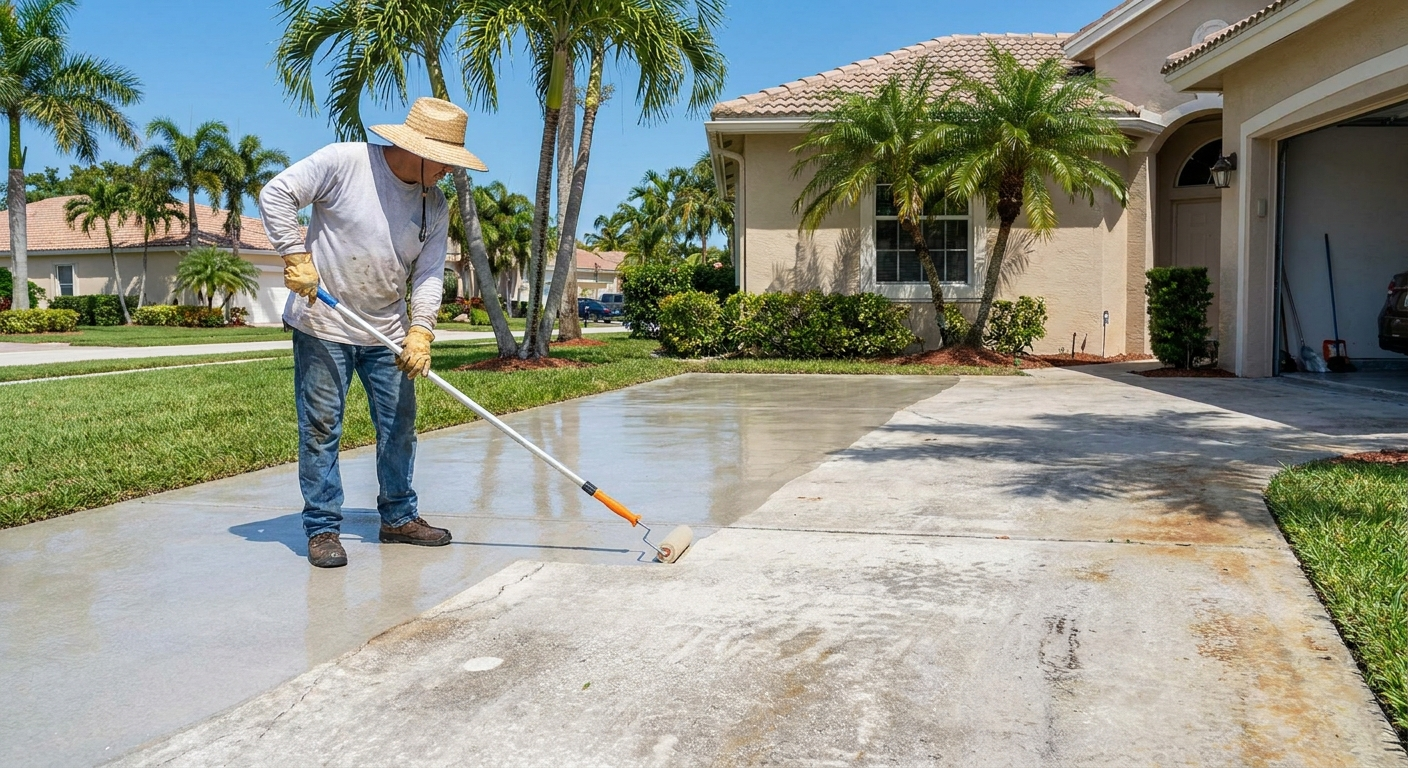
Thinking a single sealing job will carry you through a decade? Orlando's sun and storms won't agree. Sealers degrade. If you skip inspections and ignore signs of wear, you're gambling with expensive repairs down the line. Most homeowners stay ahead by marking calendars and budgeting for routine maintenance — not waiting for visible damage.
Skipping Surface Prep
Don't slap sealer on a dirty driveway and expect miracles. If you miss cleaning, degreasing, or filling cracks first, the new coat won't bond right. If you rush application on a damp day, it won't cure properly. Prep takes time. It works. And when you skip it, the sealer fails early and you're back to square one.
Ignoring the Sealer Type
Not all products handle Florida the same way. Some are built for freeze-thaw cycles up north — useless here. Others can't handle constant moisture or UV bombardment. If you grabbed whatever was on sale without checking the specs, that's a red flag. Match the sealer to Florida's humid climate or you're wasting money and time.
Calling In the Right Help
If your driveway's seen years of wear, has existing cracks, or you're not sure what sealer was used last, you're in territory where guessing gets expensive. A concrete pro helps you identify the right product, prep the surface correctly, apply evenly, and set realistic expectations for longevity.
It's not just about saving a Saturday. It's about setting up a maintenance rhythm that keeps your driveway functional and looking sharp without constant crisis mode. If you're wondering how other homeowners have tackled similar challenges, plenty have learned the hard way that proactive care beats reactive spending every time.
Protection That Actually Holds Up
Sealing a driveway isn't the hard part. Doing it on schedule — and doing it right — that's where homeowners get caught off guard. There's no excuse for skipping steps when the protection is there for the taking. But there's also no forgiveness when you blow past the warning signs and let the surface go too long without care. Orlando's weather won't wait, and neither should you. For expert guidance on concrete driveway sealing in Orlando, reach out to professionals who understand how shifting weather in Orlando impacts your concrete.
Let’s Keep Your Driveway Ready for Anything
We know how quickly Orlando’s weather can turn a solid driveway into a maintenance headache. Staying ahead of the elements is all about timing and the right approach. If you want your concrete to last and look its best, let’s talk about a sealing plan that fits your needs. Give us a call at 407-310-5072 or request a quote and we’ll help you protect your investment for the long haul.
‹ Back
Recent Posts
-
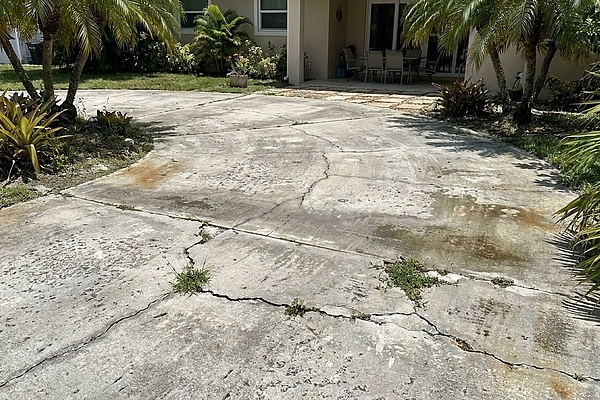
What Causes Concrete Patios in Orlando to Wear Out Faster?
September 30, 2026
-
When Should You Repair Your Pool Deck in Orlando Instead of Replacing It?
September 16, 2026
-
Can Concrete Resurfacing in Orlando Save You From Full Replacement?
September 2, 2026
-
How Often Should You Seal Your Concrete Driveway in Orlando?
August 19, 2026
-
Is Your Orlando Sidewalk Starting to Sink or Shift?
August 5, 2026