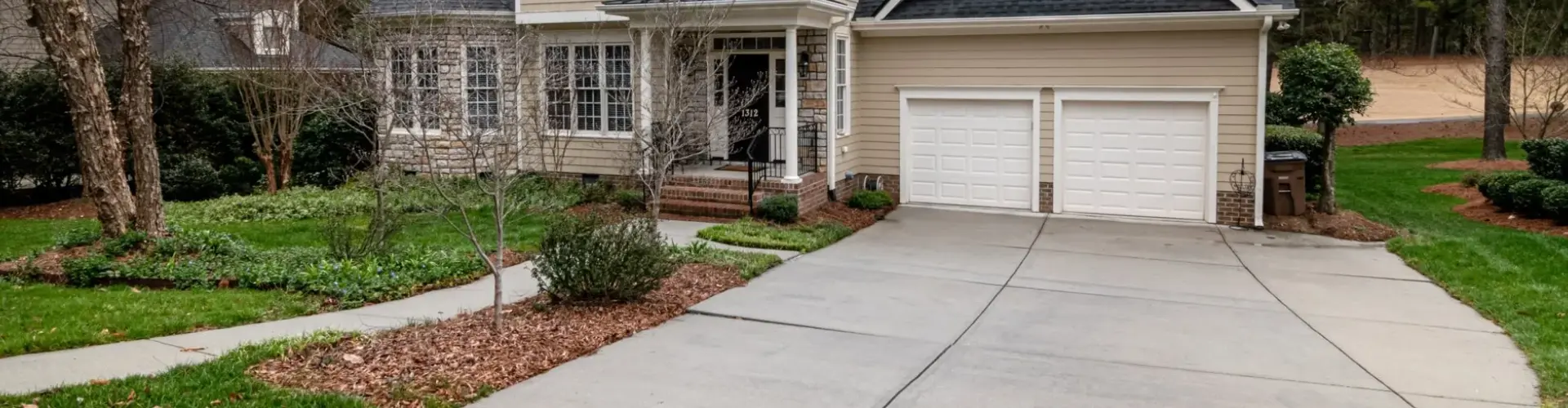
Should You Repair or Replace a Concrete Sidewalk in Orlando?
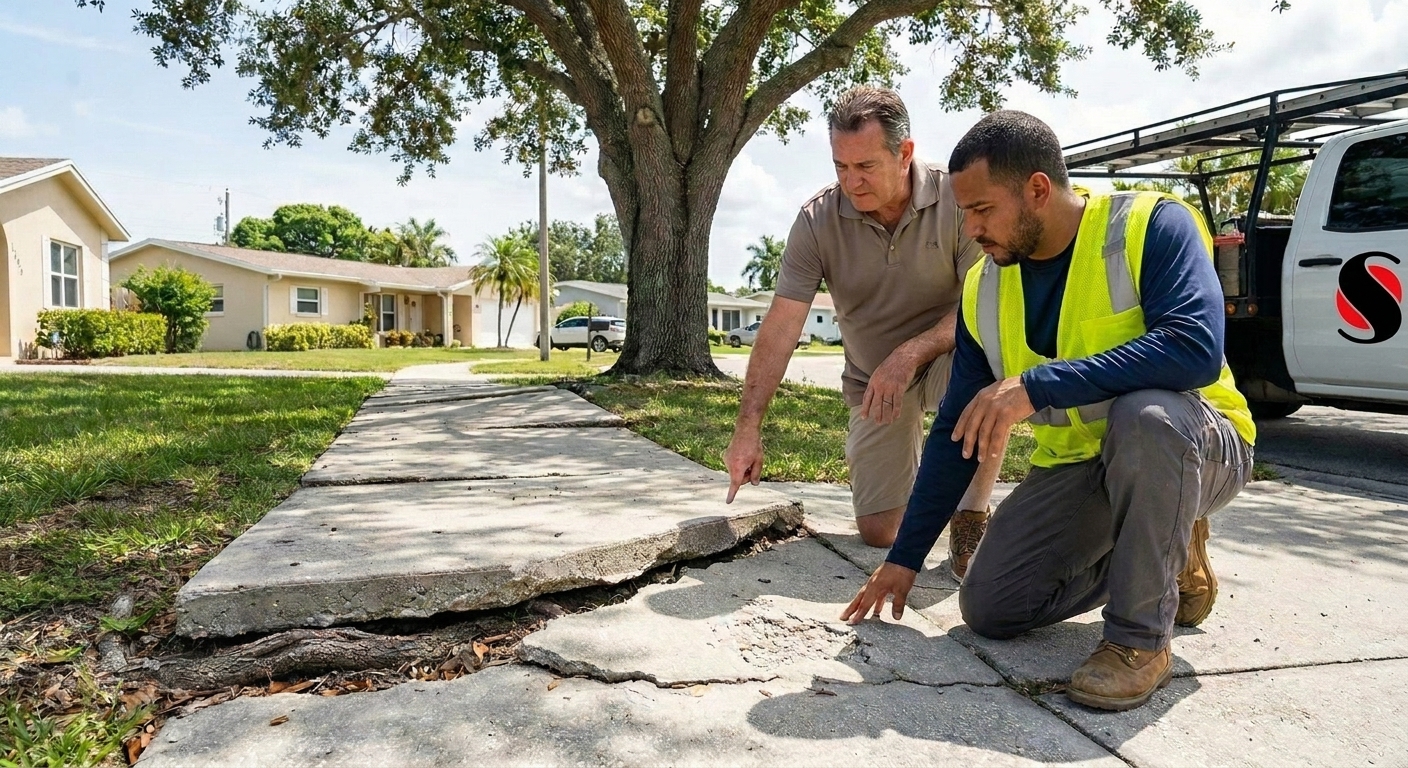
Most property owners treat sidewalk damage like it's someone else's problem — until a neighbor trips, code enforcement sends a letter, or the cracks turn into something you can't ignore. Concrete doesn't fail overnight. It telegraphs trouble long before it becomes a liability. The question isn't whether your sidewalk needs attention. It's whether patching it up buys you enough time or whether you're just delaying the inevitable.
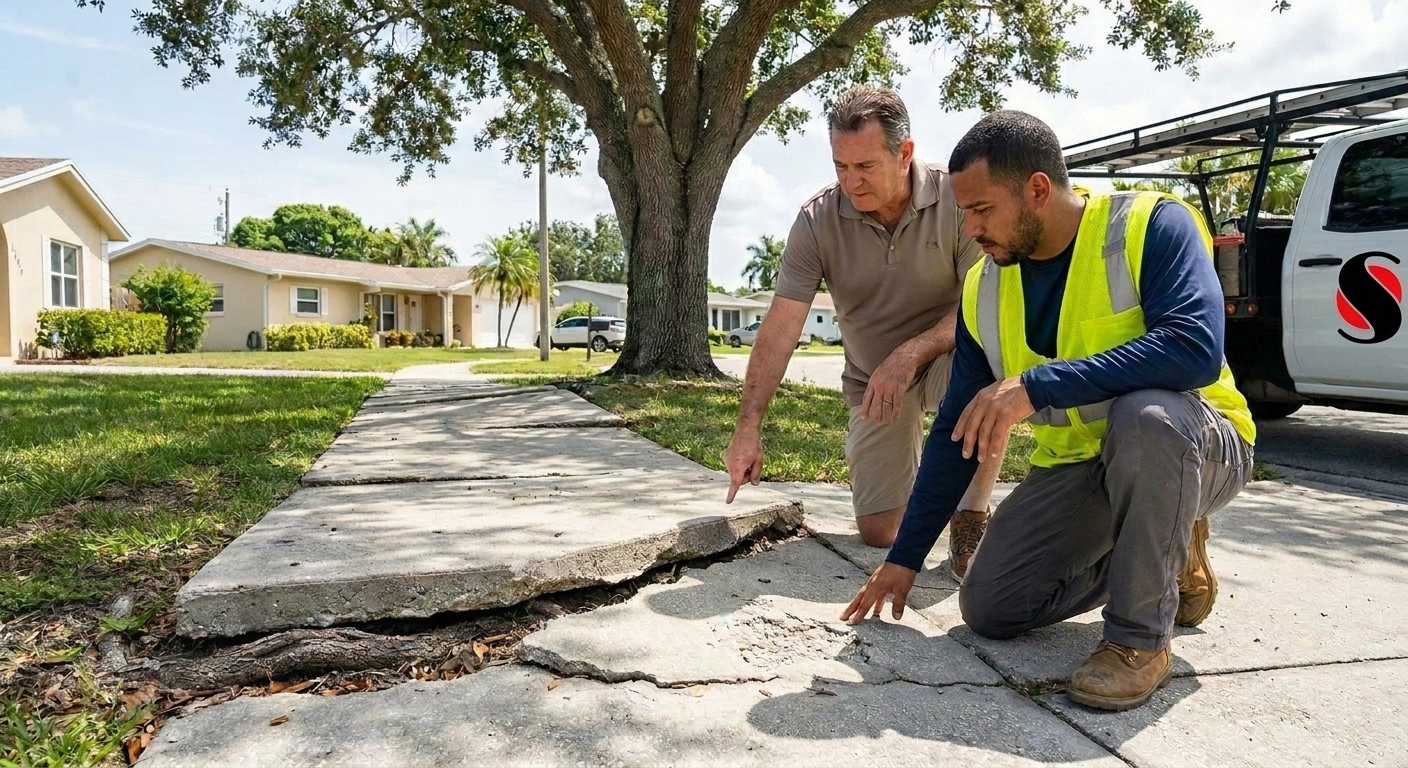
Orlando's climate doesn't do concrete any favors. Heat, humidity, and afternoon storms create conditions that accelerate wear. Add tree roots, shifting soil, and the occasional delivery truck rolling over your walkway, and you've got a recipe for damage. We see it all the time — slabs that look fine from a distance but tell a different story up close. The key is knowing when a fix holds and when it's time to start over.
What Breaks Down Sidewalks in the First Place
Damage rarely comes from just one thing. It's usually a combination of factors working together over time. In Orlando, the usual suspects show up again and again. Understanding what's causing the problem helps you figure out whether you can patch it or need to rip it out.
Tree roots are the biggest offender. They don't respect property lines or concrete slabs. As they grow, they push upward, lifting sections and creating trip hazards. Then there's the soil. Orlando sits on sandy, shifting ground that doesn't always stay put. Heavy rain can wash it out from underneath your sidewalk, leaving voids that cause slabs to settle or crack. Throw in years of foot traffic, heat expansion, and the occasional vehicle where it shouldn't be, and you've got a sidewalk that's seen better days.
- Root growth pushes concrete upward and sideways
- Rain and poor drainage erode the base underneath
- Heat causes expansion that cracks weak points
- Heavy loads crack or break unsupported sections
- Age weakens the slab until small problems become big ones
When a Patch Job Gets the Job Done
Not every crack means you need to break out the jackhammer. If the damage is isolated and the rest of the slab is solid, concrete repairs can add years of life without the cost or hassle of replacement. The trick is being honest about what you're looking at. A few surface cracks? That's fixable. A sidewalk that looks like a jigsaw puzzle? Different conversation.
Minor settling can often be corrected with leveling techniques that pump material underneath and lift the slab back into place. Surface spalling — that flaking or pitting you see on older concrete — can be resurfaced without tearing anything out. If your budget's tight or you're just trying to make it another few years, professional repairs can be the smart play. But only if the underlying structure is still doing its job.
- Hairline cracks sealed with quality filler compound
- Sunken sections lifted with foam injection or mudjacking
- Surface damage covered with bonded overlay material
- Isolated damage that hasn't spread to adjacent slabs
- Situations where full replacement isn't in the budget yet
When Repairs Stop Making Sense
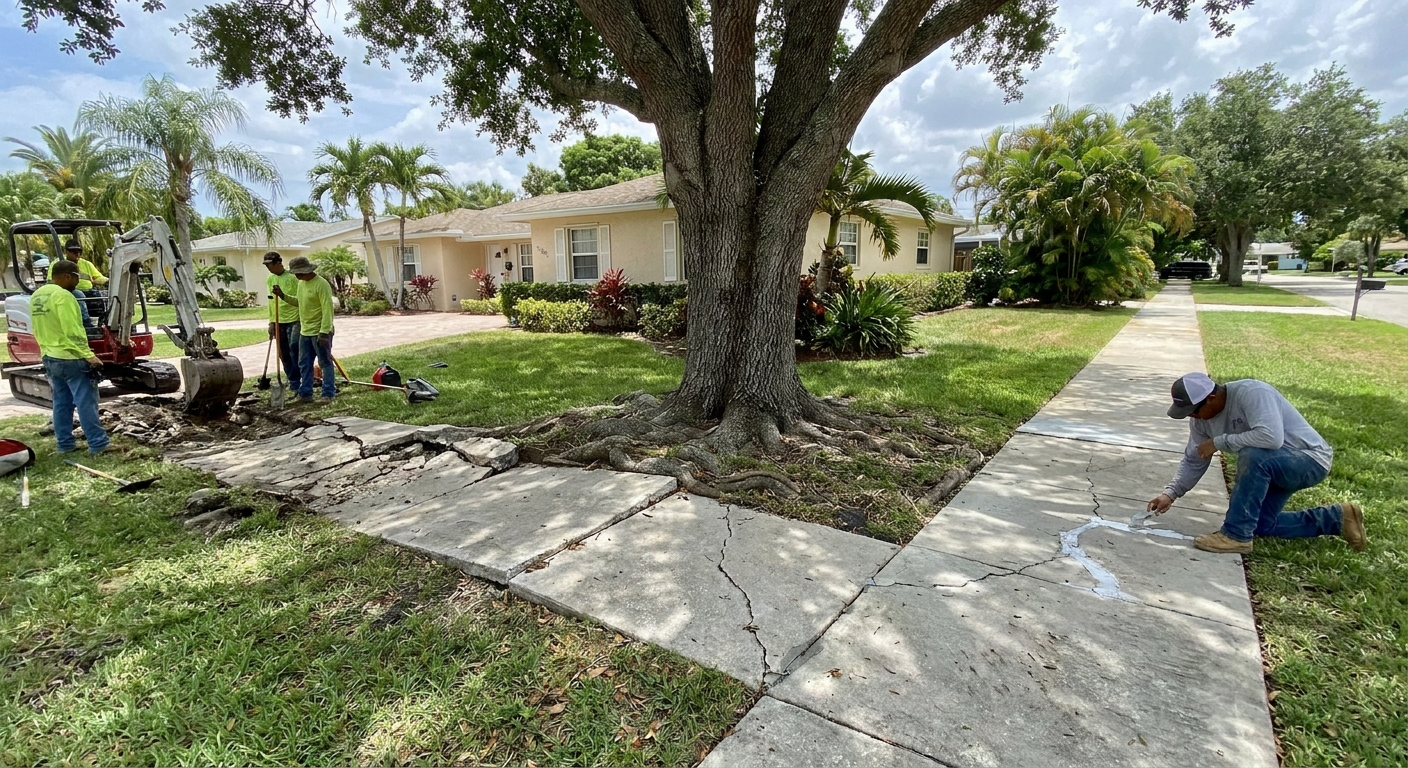
There's a point where throwing more money at a failing sidewalk becomes wasteful. If the damage is widespread, structural, or creating real safety hazards, replacement isn't optional — it's overdue. The question stops being "can we fix this" and starts being "how soon can we get it done."
Deep cracks that run across multiple slabs signal that the base has failed. Heaving from tree roots doesn't just go away with a patch. If the surface is crumbling in large sections or water pools because the slope is wrong, you're not repairing your way out of that. And if code enforcement or your HOA gets involved, they're not going to accept a Band-Aid solution. Sidewalk replacement gives you a clean slate, proper grading, and a sidewalk that actually meets current standards.
- Multiple large cracks running deep into the slab
- Severe heaving or sinking that creates trip hazards
- Widespread surface deterioration beyond resurfacing
- Drainage problems that require regrading the base
- Compliance issues flagged by city inspectors or associations
Orlando Throws Some Curveballs
Working in Orlando means dealing with regulations, protected trees, and weather that doesn't quit. You can't just pour concrete and call it done. Permits might be required, especially if your sidewalk touches public property. If tree roots are damaging concrete, cutting them without clearance can land you in trouble — some trees have protection status, and removal or trimming requires approval.
Material choices matter too. Standard concrete might crack again if you don't reinforce it or add expansion joints. Orlando's heat and moisture demand more than the bare minimum if you want your new sidewalk to last. Taking shortcuts now just means you'll be back here in five years asking the same question.
- City permits often required for public right-of-way work
- Tree protection rules limit root removal options
- Reinforcement and proper joints prevent repeat failures
- Drainage planning keeps water from undermining new slabs
- Local contractors understand code requirements and soil conditions
The Call You Need to Make
Deciding between repair and replacement comes down to damage extent, budget reality, and how long you need the fix to hold. Small cracks and minor settling? Repair it and move on. Major structural failure, safety hazards, or compliance pressure? Replacement is the only move that makes sense. Don't guess. Get a professional sidewalk assessment from someone who knows Florida's humid climate conditions and can show you what's really happening under the surface.
Waiting doesn't make the problem smaller. It just makes the repair more expensive or turns a fixable issue into a full tearout. Address it now, do it right, and you won't be dealing with it again anytime soon. Your sidewalk either works or it doesn't — and if it doesn't, no amount of patching will change that.
Let’s Get Your Sidewalk Back in Shape
We know how frustrating sidewalk issues can be, especially when you just want things safe and looking good again. Let’s take the guesswork out of your next step—give us a call at 407-310-5072 and let’s talk about what your property really needs. If you’re ready to get started, request a quote and we’ll help you move forward with confidence.
‹ Back
Recent Posts
-
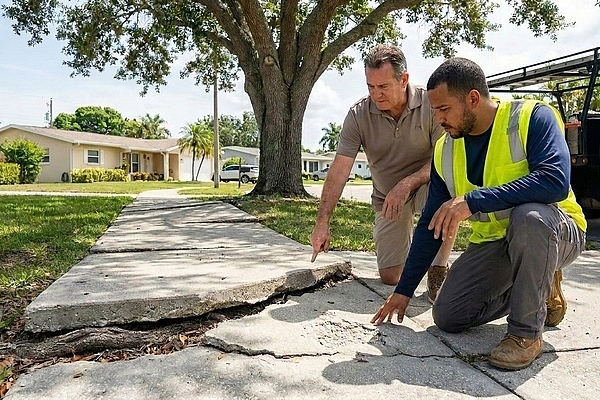
Should You Repair or Replace a Concrete Sidewalk in Orlando?
October 14, 2026
-
What Causes Concrete Patios in Orlando to Wear Out Faster?
September 30, 2026
-
When Should You Repair Your Pool Deck in Orlando Instead of Replacing It?
September 16, 2026
-
Can Concrete Resurfacing in Orlando Save You From Full Replacement?
September 2, 2026
-
How Often Should You Seal Your Concrete Driveway in Orlando?
August 19, 2026