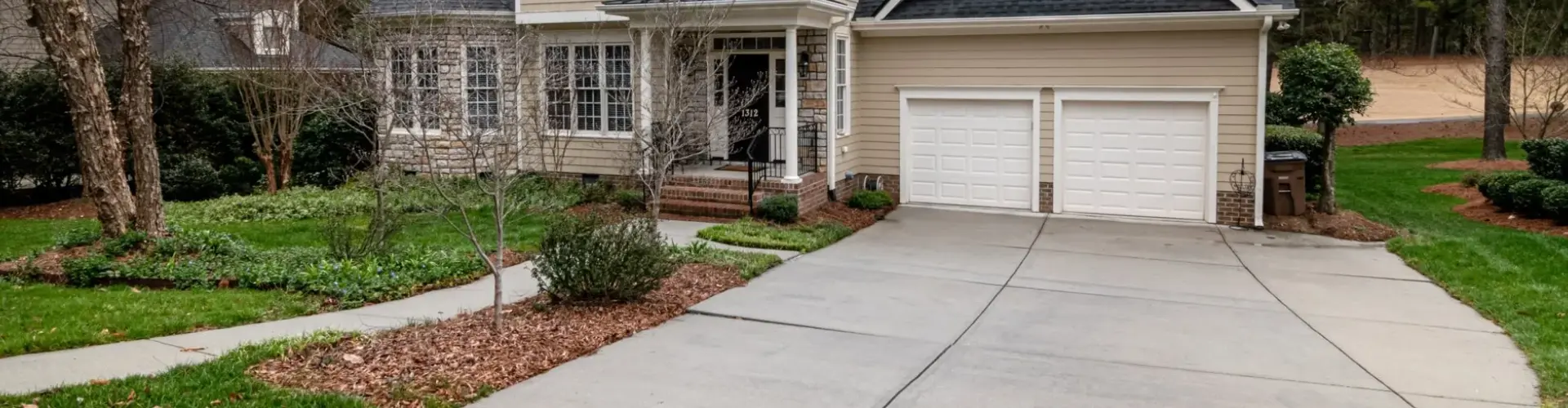
Are Your Orlando Walkways Still Safe for Guests & Customers?
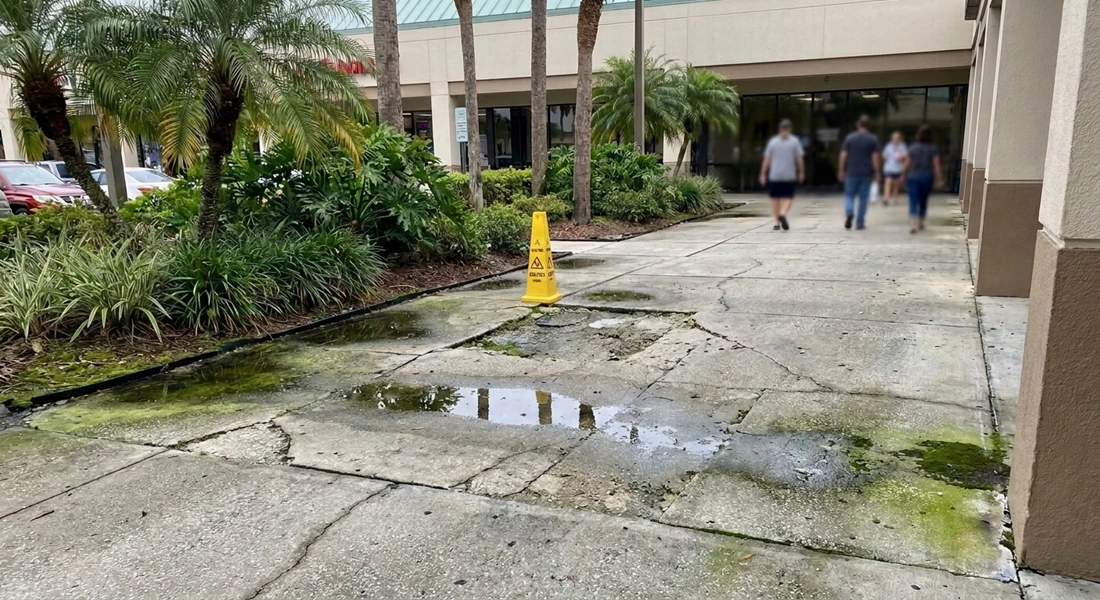
Most property owners think walkways are just concrete. Something you pour once and forget about. But the reality is messier — and if you're not paying attention, you're setting yourself up for liability. Walkways don't just crack from age. They shift, they pool water, they grow slippery coatings in Florida's humidity. And when someone falls? That's when you realize maintenance wasn't optional.
So here's what matters. If you're running a business or managing a property where people walk every day, those surfaces need to hold up. Not just look decent. Every crack should be tracked. Every slick spot needs attention. And every safety decision should be grounded in what's actually happening underfoot — not what you assume is fine because it looked okay last year.
When a Walkway Becomes a Liability
Most of the time, walkways do their job without drama. People walk, surfaces hold, nothing happens. But when conditions shift — rain, root growth, settling — that's when risk creeps in. The difference between a safe path and a lawsuit often comes down to whether you caught the problem before someone else did.
And if an injury happens? The legal exposure is real. Slip and fall claims don't just go away because you didn't notice the hazard. Insurance companies and attorneys will dig into your maintenance records, your inspection logs, and whether you had any reason to know there was a problem. If you ignored warning signs or skipped routine checks, that's going to show up in court.
The Hazards You Can Actually Control
Florida's climate doesn't do walkways any favors. Humidity breeds algae. Rain exposes drainage flaws. Heat expands joints. But most of the damage we see is preventable — if you know what to look for and act before it escalates.
Here's where the risk lives:
- Algae and moss buildup: Moisture plus shade equals slippery surfaces. If your walkway stays damp, it's growing something you don't want.
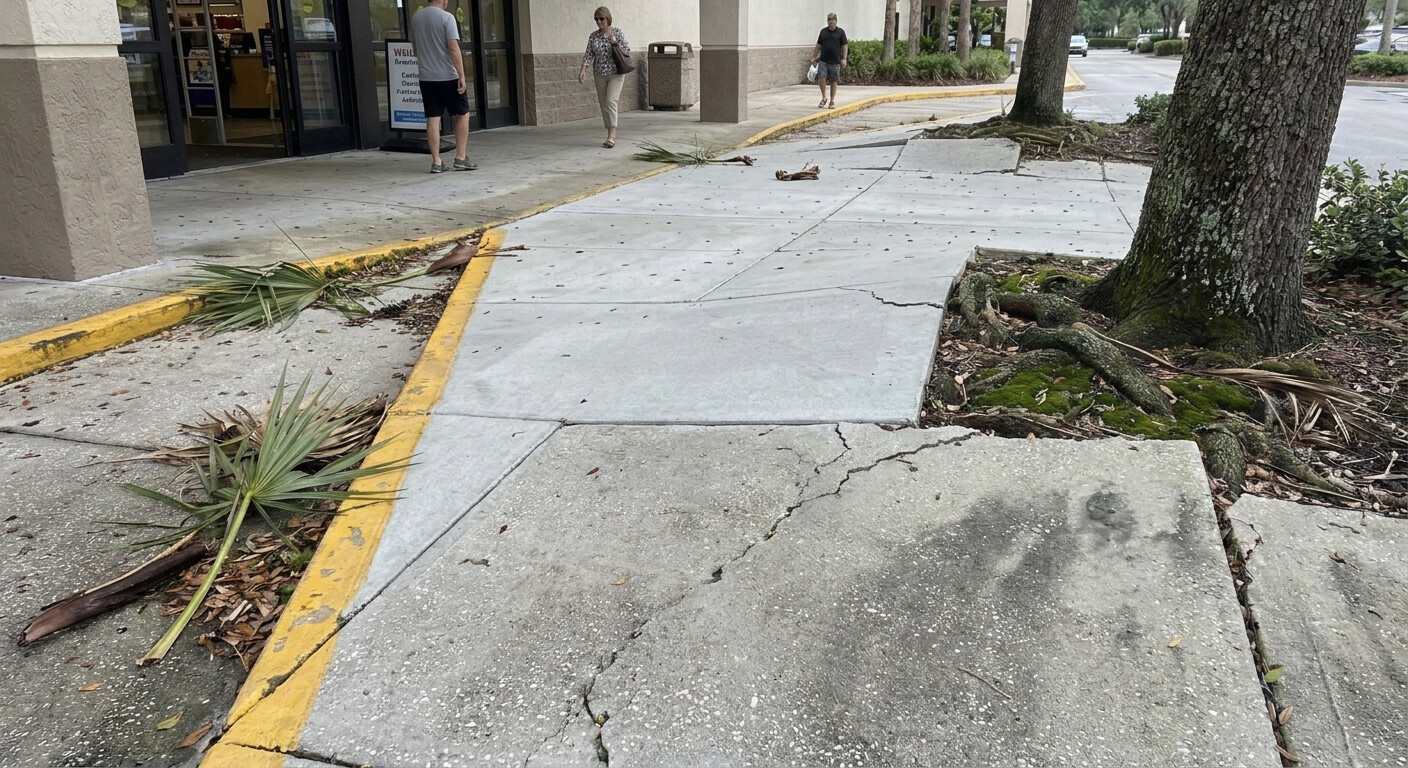
- Cracks and heaving: Tree roots push up slabs. Soil settles unevenly. Either way, you've got a trip hazard that only gets worse.
- Standing water: Poor grading or clogged drains leave puddles that don't just look bad — they accelerate deterioration and create slip zones.
- Debris accumulation: Leaves, branches, trash — it all piles up fast, especially after storms. Left alone, it hides damage and creates new hazards.
- Worn markings: Faded paint or missing tactile strips make navigation harder, especially for anyone with vision issues. That's not just inconvenient — it's a compliance gap.
What a Real Inspection Looks Like
Walking your property once a quarter isn't overkill. It's the baseline. You need to see what's changed, what's developing, and what needs fixing before it becomes a problem someone else discovers the hard way.
Here's what we check when we walk a site:
- Every linear foot of pavement for cracks, chips, or uneven sections
- Shaded or damp areas where algae and moss take hold
- Drainage patterns after rain — where does water go, and where does it sit
- Lighting coverage at night, especially near entries and transitions
- ADA features like ramps, curb cuts, and detectable warnings
- Edges and borders where soil erosion or root intrusion might be starting
If something's off, document it. Take photos. Note the location. Then decide whether it's a quick fix or something that needs a contractor. Waiting doesn't make it cheaper.
Maintenance That Actually Prevents Problems
You can't stop Florida weather, but you can control how your walkways respond to it. Regular upkeep isn't about perfection — it's about staying ahead of the curve so small issues don't turn into expensive repairs or injury claims.
Here's what works:
- Pressure washing: Strips away algae, dirt, and organic buildup. Property owners across Florida often turn to companies like Pressure Washing South Florida to help keep walkways cleaner and reduce slippery surface conditions. Do it at least twice a year, more if your property sits in heavy shade.
- Crack sealing: Catch them early and fill them properly. Water intrusion accelerates damage, so don't let cracks sit open.
- Drainage improvements: Redirect water away from walkways. Install channel drains or regrade slopes if pooling is chronic.
- Vegetation control: Trim back roots before they lift slabs. Keep plants away from edges where they can trap moisture.
- Lighting upgrades: Replace dim or broken fixtures. Visibility matters as much at night as it does during the day.
- Repainting and marking: Refresh faded lines and tactile indicators. It's cheap insurance against accessibility complaints.
When DIY Stops Being Smart
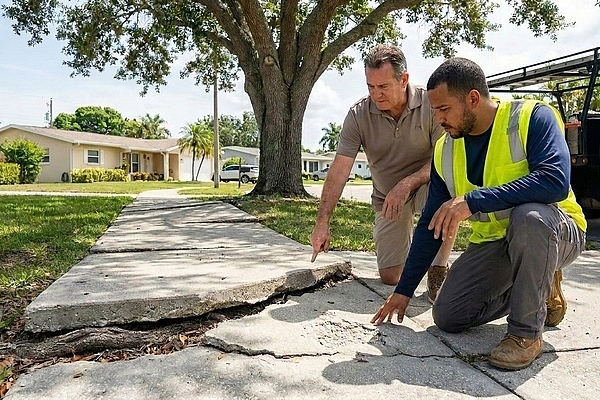
Some repairs are straightforward. Others need expertise. If you're dealing with major settling, structural cracks, or drainage that's beyond a simple fix, bring in a licensed contractor. Trying to patch over a foundation issue or a root problem won't hold, and it won't protect you if someone gets hurt.
A professional can assess what's causing the damage, not just what it looks like on the surface. They'll tell you whether you need a repair, a replacement, or a redesign. And they'll do it in a way that actually lasts.
Your Documentation Is Your Defense
Want to prove you took reasonable care? Show your work. Inspection logs, repair invoices, photos, maintenance schedules — all of it matters if you ever face a claim. The property owner who can pull up a file showing regular upkeep and timely fixes is in a much stronger position than the one who says "we thought it was fine."
Here's what your records should include:
- Dated inspection reports with photos of conditions
- Invoices and receipts for repairs and maintenance
- Logs of cleaning, sealing, and pressure washing
- Notes on any complaints or incidents, even minor ones
- Contractor certifications and warranties for major work
If the documentation doesn't exist, it didn't happen. That's how courts and insurance adjusters see it. So keep the paper trail clean and current.
Where Property Owners Drop the Ball
We see the same mistakes over and over. Most of them are avoidable, but they still cost people money, time, and credibility.
Assuming "good enough" is actually good enough. A walkway that looks fine from a distance might have cracks, slick spots, or drainage issues you won't notice until someone trips or slips. Walk it up close. Test it in different conditions. Don't guess.
Waiting until something breaks. Reactive maintenance is expensive. By the time a slab has heaved or a crack has widened, you're looking at replacement costs instead of repair costs. Catch it early, fix it cheap.
Ignoring the paper trail. If you can't prove you maintained the property, you're vulnerable. Even if you did the work, missing documentation leaves you exposed in a liability claim.
Safety Isn't Seasonal
Walkways don't take breaks, and neither should your attention to them. Orlando's weather cycles through rain, heat, and storms year-round, and each one leaves a mark. The properties that stay safe are the ones where someone's checking, fixing, and documenting on a schedule — not scrambling after an incident. Understanding concrete patio drainage principles can help prevent water-related damage. Investing in commercial concrete sidewalks built to last makes financial sense for business owners. When damage does occur, addressing common concrete repairs in Orlando homes promptly prevents escalation. For comprehensive walkway solutions, planning a concrete walkway with durability in mind is essential. Property managers should also consider fixing cracked sidewalks as a priority safety measure. Finally, quality concrete sealing extends the life of your investment significantly.
At the end of the day, walkway safety is about control. You can't eliminate every risk, but you can manage the ones that matter. And when you do, you're not just protecting guests and customers — you're protecting your business, your reputation, and your peace of mind.
Let’s Make Your Walkways Safer—Together
We know how important it is to keep your property safe and welcoming for everyone who visits. Staying proactive with walkway maintenance means fewer headaches and more confidence that you’re doing right by your guests and your business. If you’re ready to address those trouble spots or want a professional eye on your walkways, let’s talk. Call us at 407-310-5072 or request a quote and let’s get your property on solid ground.
‹ Back
Recent Posts
-
Should You Repair or Replace a Concrete Sidewalk in Orlando?
October 14, 2026
-
What Causes Concrete Patios in Orlando to Wear Out Faster?
September 30, 2026
-
When Should You Repair Your Pool Deck in Orlando Instead of Replacing It?
September 16, 2026
-
Can Concrete Resurfacing in Orlando Save You From Full Replacement?
September 2, 2026
-
How Often Should You Seal Your Concrete Driveway in Orlando?
August 19, 2026