Is Your Concrete Patio in Orlando Starting to Show Signs of Wear & Tear?
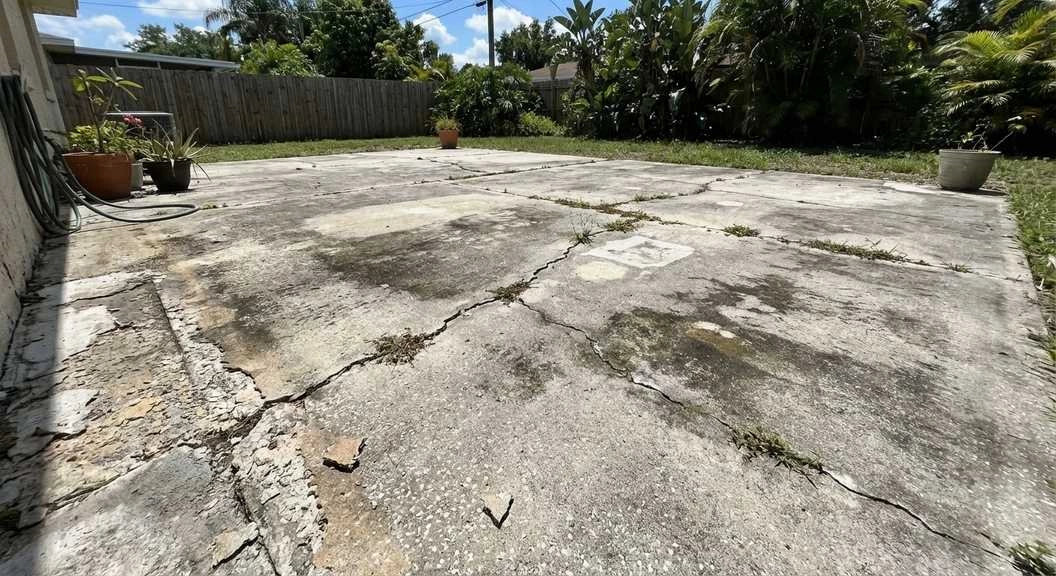
Most homeowners think concrete is bulletproof. Pour it, smooth it, forget it. But Orlando's climate doesn't care what you think. Between the relentless sun, afternoon downpours, and humidity that never quits, your patio is taking hits you don't see until the damage is already done. Cracks don't announce themselves. Discoloration creeps in. And by the time you notice the surface flaking off, you're looking at repairs that could've been avoided.
So here's the reality. If your patio is showing wear, it's not going to fix itself. Every crack is a doorway for water. Every uneven slab is a liability. And every month you wait makes the problem worse — not just cosmetically, but structurally. The good news? Catching it early means you've got options. Ignoring it means you're gambling with your wallet.
What Damage Actually Looks Like
Concrete doesn't fail overnight. It gives you warnings. The problem is most people don't know what they're looking at until it's too late. Orlando's weather accelerates wear faster than you'd expect, and what starts as a hairline fracture can turn into a full-blown structural issue if left unchecked.
Here's what we see most often when inspecting patios that have been neglected:
- Fractures spreading across the surface: Small cracks are normal. Wide ones that branch out? That's settling, root pressure, or thermal expansion doing real damage.
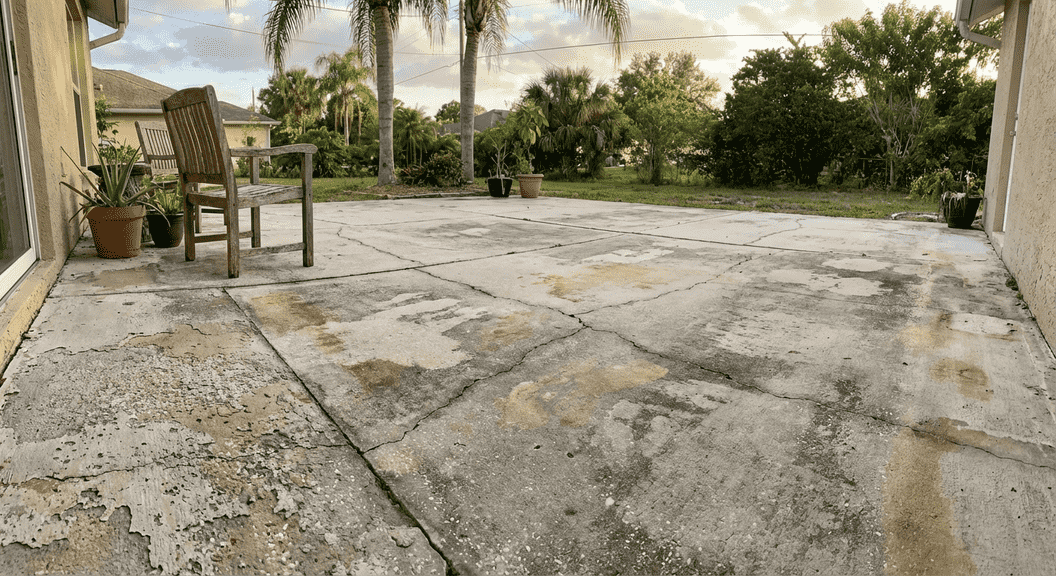
- Color fading and staining: Sun bleaches concrete. Rain leaves mineral deposits. Leaves, rust, and mold create permanent marks if you don't stay on top of cleaning.
- Rough, sandy texture: When the surface starts to feel gritty, that's erosion. The top layer is breaking down, and it's only going to get worse with foot traffic and weather exposure.
- Sections sinking or tilting: Poor drainage or shifting soil causes slabs to drop. It's not just ugly — it's a tripping hazard and a sign that water is pooling where it shouldn't.
- Flaking and peeling: Spalling happens when moisture gets trapped under the surface and freezes or when chemicals eat away at the concrete. Once it starts, it spreads fast.
Waiting Makes Everything Worse
We get it. Repairs cost money. But so does replacement — and that's where you're headed if you let minor damage spiral. A crack that could've been patched for a few hundred dollars turns into a resurfacing job. A resurfacing job turns into a full tearout. And suddenly you're looking at thousands instead of hundreds.
Beyond the cost, there's the safety factor. Uneven concrete is a lawsuit waiting to happen. Kids trip. Guests stumble. And if someone gets hurt on your property, you're the one dealing with the fallout. Plus, a beat-up patio drags down your home's value. Buyers notice. Appraisers notice. And neither of them care about your excuses.
Fixing It Without Ripping It Out
Not every damaged patio needs to be demolished. In fact, most don't. The key is matching the solution to the severity of the problem. Minor surface issues can be handled with patching compounds or staining. Deeper cracks and erosion might call for resurfacing, which gives you a fresh layer without the cost of starting over.
If the damage is structural — major settling, widespread cracking, or foundation issues — replacement might be the only real fix. A qualified contractor can assess what you're dealing with and give you a straight answer about what makes sense financially and long-term.
Keeping Your Patio From Falling Apart
Once you've fixed the damage, the goal is to keep it from coming back. Concrete isn't maintenance-free, but it doesn't take much to protect it. A little effort now saves you from major headaches later.
Here's what actually works:
- Seal it properly: A good sealer blocks moisture, resists stains, and protects against UV damage. Reapply every few years depending on wear.
- Clean it regularly: Sweep off debris and wash with mild soap and water. Don't let organic matter sit and stain the surface.
- Fix drainage problems: Water should flow away from your patio, not pool on it. Adjust grading or install drains if needed.
- Skip harsh chemicals: De-icing salts and aggressive cleaners eat away at concrete. Use gentler alternatives or avoid them entirely.
- Manage nearby vegetation: Tree roots can lift slabs and crack concrete. Keep them trimmed and consider root barriers if trees are close.
When DIY Isn't Enough
Some repairs are straightforward. Others require equipment, expertise, and an understanding of what's happening below the surface. If you're not sure whether a crack is cosmetic or structural, don't guess. A professional can tell you what's fixable, what's not, and what's going to cost you more if you wait.
They'll also make sure repairs are done right the first time. Patching a crack incorrectly just means it'll reopen. Resurfacing without addressing proper patio drainage means the new layer will fail just like the old one. And if you're dealing with settling or foundation issues, you need someone who knows how to stabilize the slab before doing anything else.
What Happens If You Do Nothing
Concrete doesn't heal itself. Every crack widens. Every stain sets deeper. Every uneven section becomes more dangerous. And the longer you wait, the more expensive the fix becomes. What could've been a simple patch turns into a full resurfacing. What could've been resurfacing turns into replacement. And what could've been replacement turns into dealing with water damage, foundation issues, and landscaping repairs on top of it.
Orlando's climate doesn't give you the luxury of procrastination. The heat, the rain, the humidity — it all accelerates deterioration. Understanding how shifting weather affects concrete helps explain why timing matters. If your patio is showing signs of wear, the time to act is now. Not next season. Not when it gets worse. Now.
Your Patio Deserves Better Than Neglect
Concrete patios are built to last, but only if you treat them that way. Spotting damage early, addressing it quickly, and maintaining it properly — that's how you get decades of use instead of a few years before replacement. The work isn't complicated. The cost isn't outrageous. But the difference between acting now and waiting is the difference between a simple fix and a major expense.
Don't let wear and tear rob you of the outdoor space you've invested in. Whether it's repairing concrete cracks, a surface that needs sealing, or a full resurfacing job, the right move is the one you make before the problem gets worse. Working with experienced patio installation professionals ensures quality results. Your patio isn't going to fix itself. But with the right attention, it'll serve you well for years to come.
Let’s Restore Your Patio Together
We know how important your outdoor space is for relaxing and entertaining, and we’re here to help you keep it looking its best. If your concrete patio is showing signs of damage, let’s tackle the problem before it grows. Give us a call at 407-310-5072 to talk through your options, or request a quote and let’s get your patio back in shape for the seasons ahead.
‹ Back
Recent Posts
-
When Should You Repair Your Pool Deck in Orlando Instead of Replacing It?
September 16, 2026
-
Can Concrete Resurfacing in Orlando Save You From Full Replacement?
September 2, 2026
-
How Often Should You Seal Your Concrete Driveway in Orlando?
August 19, 2026
-
Is Your Orlando Sidewalk Starting to Sink or Shift?
August 5, 2026
-