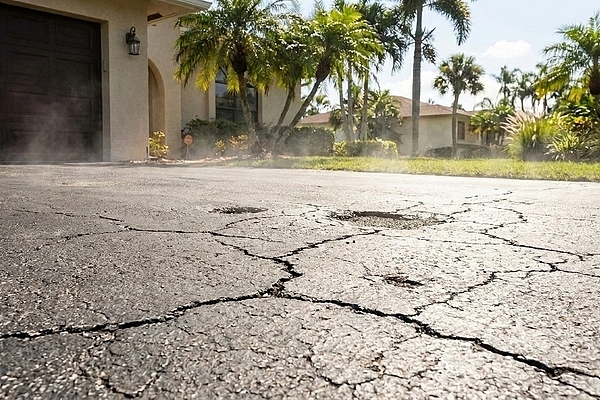
Can Small Concrete Cracks in Orlando Turn Into Bigger Repairs?
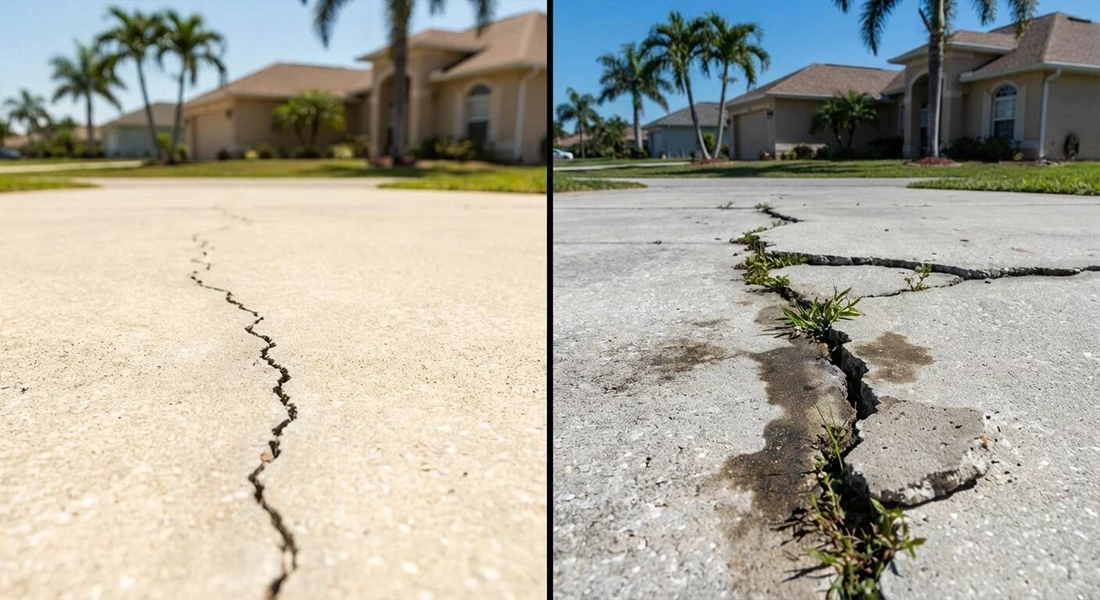
Most property owners see a hairline crack and shrug it off. Just cosmetic, right? Surface-level stuff. But concrete doesn't work that way—especially not in Orlando. The heat, the rain, the soil shifts—they all conspire to turn that tiny fissure into something that costs real money. And if you're waiting for it to "stabilize," you're already behind.
Here's what matters. That crack isn't static. It's a doorway for water, pressure, and erosion. Every storm pushes moisture deeper. Every hot afternoon expands the slab just enough to widen the gap. And every month you ignore it, the repair bill climbs. Small cracks don't stay small in Central Florida—they evolve.
What Causes Concrete to Crack in the First Place
Concrete looks solid, but it's constantly reacting to its environment. Orlando's climate is brutal on slabs. You've got scorching summers that bake the surface, then afternoon downpours that flood the base. The soil underneath? It swells when wet, shrinks when dry, and shifts without warning. That movement stresses the concrete from below, and cracks are the result.
Then there's the installation itself. If the mix was off, the curing rushed, or the control joints skipped, the slab was already vulnerable from day one. Add in heavy traffic—cars, equipment, even foot traffic over time—and you've got a surface under constant strain. Cracks in concrete aren't a question of if. They're a question of when.
- Thermal expansion from Orlando's heat cycles
- Soil movement caused by wet-dry weather swings
- Subpar installation or improper curing methods
- Repeated heavy loads on driveways and walkways
- Lack of expansion joints or reinforcement
Why Ignoring a Hairline Crack Is a Gamble
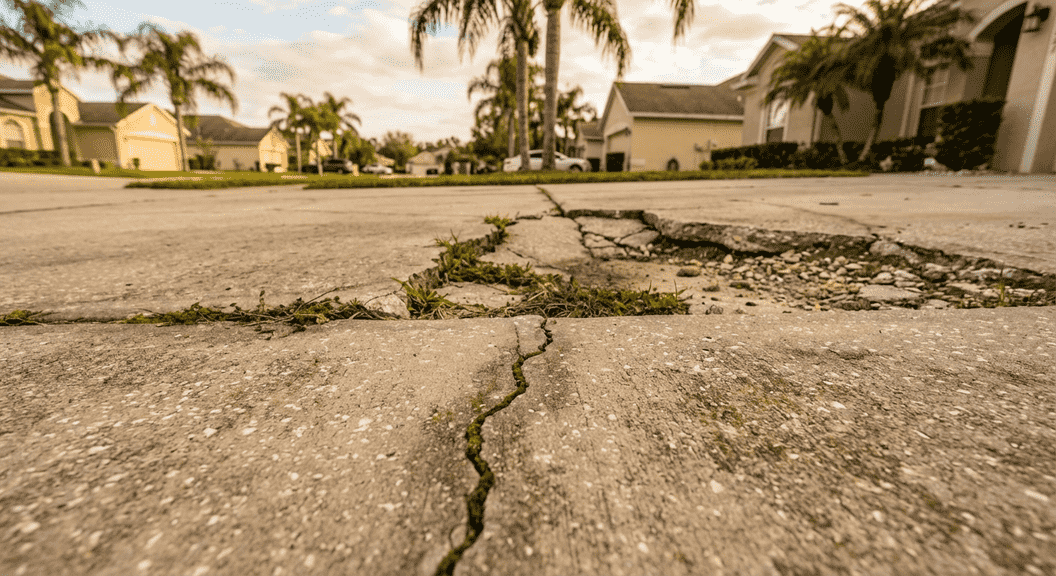
A crack that's barely visible today can double in width within months. Water is the accelerant. Once it seeps into that opening, it starts eroding the base material underneath. The slab loses support. It settles unevenly. The crack widens, and suddenly you're not looking at a cosmetic issue—you're looking at structural failure.
Orlando's rain doesn't help. Neither does the occasional cold snap that causes trapped moisture to expand. Even a few degrees of freezing can push a crack apart. And once vegetation takes root in that gap? You're dealing with organic pressure that concrete can't fight. The longer you wait, the more variables stack against you.
- Water infiltration erodes the sub-base and destabilizes the slab
- Freeze-thaw cycles widen cracks even in mild climates
- Weeds and roots exploit openings, applying constant pressure
- Uneven settling creates trip hazards and drainage problems
- Cosmetic damage becomes structural damage without intervention
How a Minor Crack Becomes a Major Expense
The progression is predictable. First, water gets in. Then the base erodes. The slab shifts. The crack spreads. What started as a simple seal job now requires mudjacking, resurfacing, or full replacement. And if you're dealing with a driveway or pool deck, the cost multiplies fast.
We've seen it happen over and over. A homeowner waits six months, thinking the crack won't get worse. It does. They wait another six months, hoping it'll hold. It doesn't. By the time they call a contractor, the damage is extensive—and the repair options are limited. That's the cost of hesitation.
- Initial water entry compromises the foundation layer
- Repeated weather cycles expand the crack horizontally and vertically
- Structural integrity weakens, leading to slab displacement
- Simple crack filling is no longer sufficient
- Full slab replacement or leveling becomes the only viable fix
Stopping the Damage Before It Spreads
Catching cracks early is the difference between a quick fix and a major project. Walk your property regularly. Look for new cracks, widening gaps, or uneven surfaces. If you spot something, don't wait for it to "settle." Seal it, stabilize it, and move on.
Proper drainage is your first line of defense. If water pools near your concrete, redirect it. Gutters, downspouts, grading—all of it matters. And if you're seeing multiple cracks or signs of sinking, bring in a professional. DIY sealants work for hairline cracks, but anything wider than a quarter-inch needs expert attention.
- Conduct monthly visual inspections of all concrete surfaces
- Apply high-quality sealant to small cracks immediately
- Ensure gutters and drainage systems direct water away from slabs
- Address soil erosion or settling issues before they worsen
- Consult a contractor for cracks exceeding 1/4 inch or showing displacement
When DIY Isn't Enough
Not every crack is a weekend project. If the slab is sinking, if the crack runs the full length of the surface, or if you're seeing multiple fractures in a short span, you're past the point of a tube of filler. A professional can assess the root cause—whether it's soil issues, poor installation, or structural stress—and recommend the right fix.
They'll also know whether you need crack injection, slab leveling, or a full replacement. And they'll have the tools to do it right the first time. Trying to patch a serious problem with a DIY kit is like putting a Band-Aid on a broken bone. It might look better for a week, but it won't hold. Common concrete repairs in Orlando homes often require professional assessment to determine the best course of action.
Concrete Doesn't Heal Itself
Cracks don't close on their own. They don't stabilize. They don't stop spreading just because you stopped looking at them. In Orlando's climate, they get worse—faster than most people expect. The question isn't whether a small crack will become a big repair. It's whether you'll catch it in time to keep the fix simple and affordable. Finding the right time to repair concrete cracks can save you from costly replacements down the line. Stay ahead of it, and you'll save yourself the headache. Wait too long, and you'll pay for it—literally. For professional help with concrete repair and additions, reach out to experienced contractors who understand Central Florida's unique challenges.
Let’s Protect Your Concrete—Before It’s Too Late
We know how quickly a small crack can turn into a big headache in Orlando’s unpredictable climate. Let’s get ahead of the damage together and keep your property looking its best. If you’re seeing signs of trouble or just want peace of mind, give us a call at 407-310-5072. Ready to take the next step? request a quote and let’s make sure your concrete stays strong for years to come.
‹ Back
Recent Posts
-
Can Concrete Resurfacing in Orlando Save You From Full Replacement?
September 2, 2026
-
How Often Should You Seal Your Concrete Driveway in Orlando?
August 19, 2026
-
Is Your Orlando Sidewalk Starting to Sink or Shift?
August 5, 2026
-
-