Is Your Orlando Sidewalk Starting to Sink or Shift?
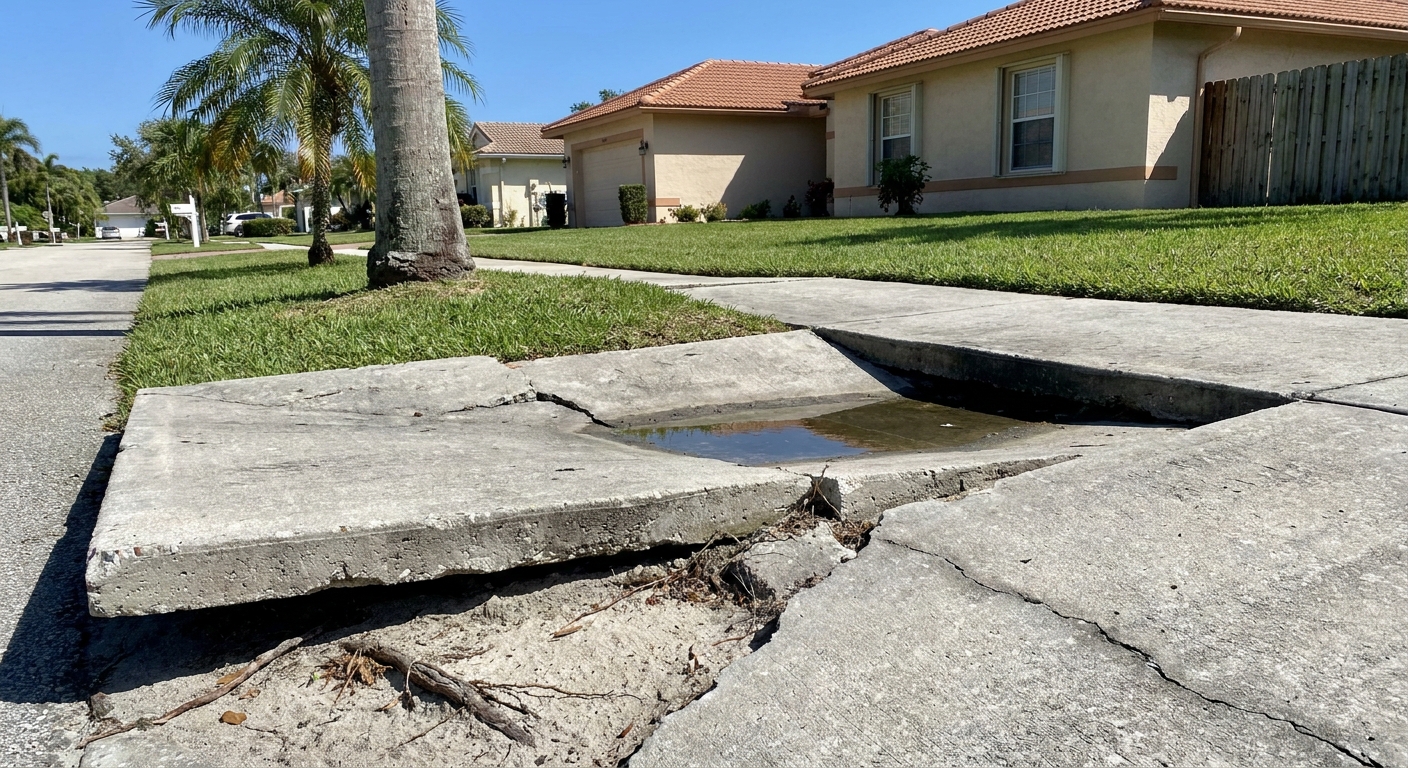
Most property owners think sidewalks are just concrete slabs. Pour it, smooth it, forget it. But Orlando's ground doesn't play by those rules — and if you're not paying attention, you're looking at liability, damage, and repair bills that could've been avoided. Sidewalks may seem solid, but they're only as stable as the soil beneath them. Especially when that soil is sandy, soaked, or undermined by roots you can't see.
So here's the reality. If you're maintaining property in Central Florida, that walkway isn't permanent. It shifts. It settles. And every crack or dip should be treated like the early warning it is — not just a cosmetic flaw. We've seen too many owners wait until someone trips or water starts pooling before they act. By then, the fix costs more and the risk has already landed.
The Ground Beneath Your Concrete Isn't Staying Put
Orlando's soil composition is notoriously unstable. Sandy substrates don't hold their shape the way clay or dense earth does. Add in seasonal storms, inconsistent drainage, and the occasional drought cycle, and you've got a recipe for ground movement. That's not a maybe — it's a given.
When the soil shifts, the concrete follows. Sometimes it's gradual. Sometimes it's sudden. But once it starts, ignoring it won't make it stop. We've worked with properties where a half-inch dip turned into a three-inch drop in less than a year. That's not dramatic — that's typical when water finds a void and keeps eroding.
What's Actually Causing the Movement
Understanding why your sidewalk is sinking means looking at what's happening below the surface. It's rarely just one thing. More often, it's a combination of factors working together to destabilize the base.
- Water erosion washing out the subgrade during heavy rains
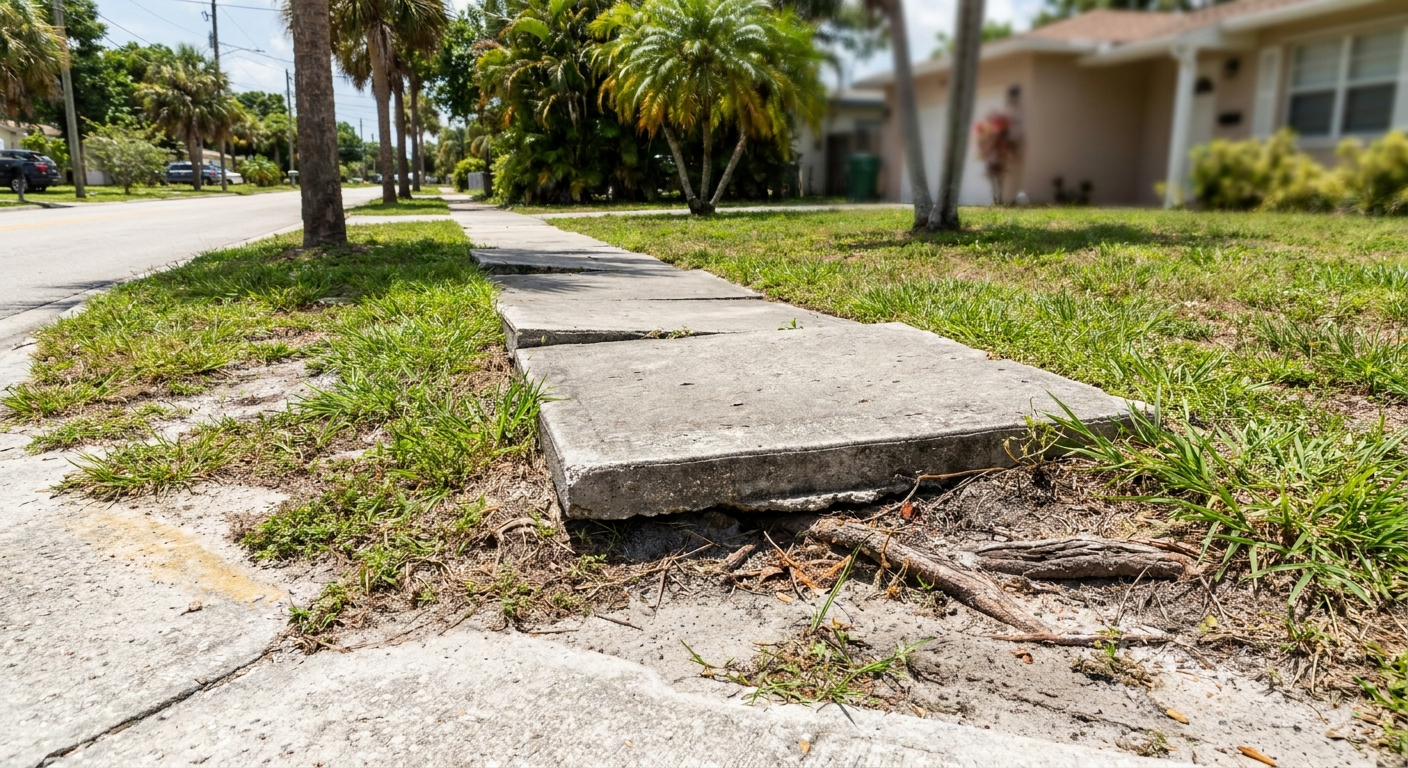
- Tree roots expanding underneath and lifting sections
- Inadequate compaction during the original installation
- Poor drainage channeling water directly under the slab
- Seasonal expansion and contraction of the soil
You'll Know When Something's Wrong
Sidewalk damage doesn't sneak up on you — it announces itself. The question is whether you're watching for it or waiting until it's obvious to everyone else too. Early detection means smaller fixes. Late detection means you're replacing sections or dealing with injury claims.
- Cracks wider than a quarter-inch between slabs
- Visible tilting or sloping where the surface used to be level
- Height differences you can feel when walking over transitions
- Standing water that wasn't there before
- Slabs that move or rock underfoot
If you're seeing any of this, the problem is already past the "keep an eye on it" stage. You're in repair territory. The longer you wait, the worse the supporting soil gets and the more invasive the solution becomes.
What Happens If You Let It Slide
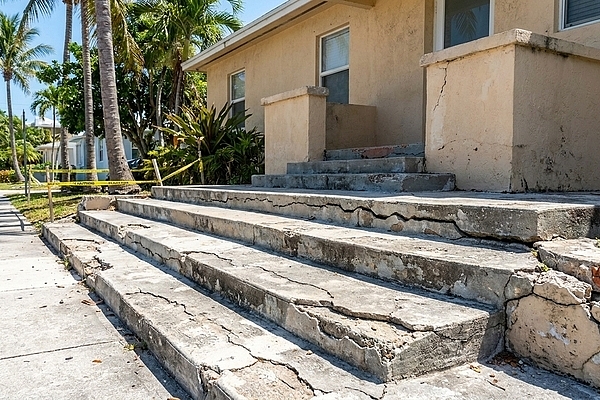
Uneven sidewalks aren't just ugly — they're dangerous. Trip-and-fall accidents are one of the most common liability claims property owners face, and a sunken slab is an open invitation. Even if no one gets hurt, the damage spreads. Water pooling in low spots seeps into your foundation, kills landscaping, and accelerates deterioration across adjacent sections.
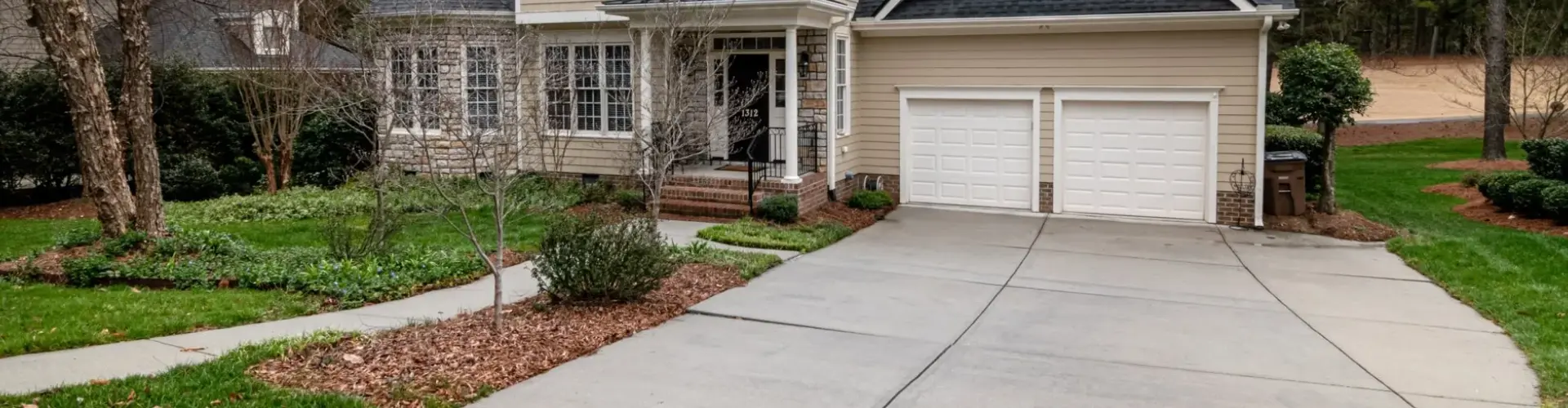
We've seen cases where a single sunken panel led to drainage problems that affected an entire concrete driveway. The domino effect is real. Fixing it early costs less than fixing it later. And fixing it later costs way less than dealing with a lawsuit.
Repair Options That Actually Work
Depending on how far the damage has progressed, you've got choices. Some are faster and cheaper. Some are more permanent. But all of them beat doing nothing.
- Foam injection leveling: Also called polyjacking, this lifts sunken slabs by injecting expanding polyurethane foam beneath them. It's fast, minimally invasive, and works for most residential applications.
- Mudjacking: Similar concept, but uses a cement-based slurry instead of foam. Heavier material, longer cure time, but effective for larger commercial jobs.
- Full slab replacement: When the concrete is too cracked or damaged to salvage, tearing it out and starting fresh is the only real option.
- Drainage correction: Redirecting water flow or installing proper grading can stop the problem from recurring.
- Root barrier installation: Prevents tree roots from damaging concrete in the future.
Who You Hire Matters More Than You Think
This isn't a weekend project. Sidewalk leveling and repair require specialized equipment, experience with Florida soil conditions, and an understanding of how to prevent recurrence. A bad repair just buys you six months before the problem comes back.
Look for concrete contractors in Orlando specifically. Ask for references. Verify their insurance and licensing. And don't go with the lowest bid unless you're prepared to pay twice — once now, once later when it fails.
Keeping It Level After the Fix
Once the repair is done, your job isn't over. Maintenance is what keeps small issues from becoming big ones again. We recommend regular inspections, especially after storm season. Watch for new cracks, monitor drainage patterns, and don't let tree roots creep back in.
- Inspect sidewalks every six months for new settling or cracking
- Clear gutters and downspouts to prevent water buildup near walkways
- Trim or remove invasive roots before they cause problems
- Seal cracks promptly to prevent water infiltration
- Keep an eye on drainage flow after heavy rains
Concrete Problems Don't Fix Themselves
Waiting for a sinking sidewalk to stabilize on its own is like waiting for a leak to seal itself. It won't happen. The forces that caused the movement are still there, still working, still making it worse. The only question is whether you address it now or after someone gets hurt.
We've guided property owners through hundreds of concrete repairs in Orlando homes, and the pattern is always the same. The ones who act early spend less, stress less, and avoid the headaches that come with ignoring the obvious. Signs it's time for sidewalk replacement shouldn't be ignored, and professional sidewalk installation and repair ensures long-lasting results. Your sidewalk is telling you something. Time to listen.
Let’s Get Your Sidewalk Back on Solid Ground
We know how quickly a small sidewalk issue can turn into a bigger headache in Orlando’s unpredictable soil. Let’s tackle those cracks and dips before they become a real problem. Give us a call at 407-310-5072 to talk through your options, or request a quote and we’ll help you keep your property safe and looking its best.
‹ Back
Recent Posts
-
When Should You Repair Your Pool Deck in Orlando Instead of Replacing It?
September 16, 2026
-
Can Concrete Resurfacing in Orlando Save You From Full Replacement?
September 2, 2026
-
How Often Should You Seal Your Concrete Driveway in Orlando?
August 19, 2026
-
Is Your Orlando Sidewalk Starting to Sink or Shift?
August 5, 2026
-